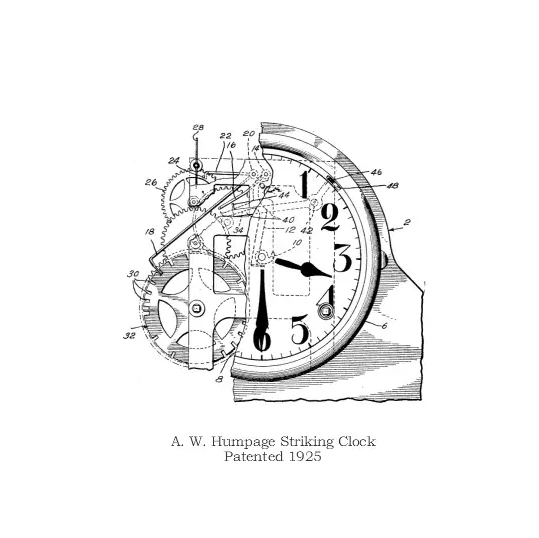
The United States patent system follows a first-to-file rule. This means the inventor who files a patent application first usually secures the earliest priority date for an invention. If two people independently create similar technology, the inventor who files first generally has the stronger legal position. For inventors, this creates an important lesson. Timing matters. Waiting too long to file … Read More
Incredible Utility and the Limits of Patentability

Patent law assumes that most inventions have utility. When an application describes a specific, practical use and does not contradict established science, the USPTO generally accepts that the invention works as described and turns to questions of novelty and obviousness. That presumption ends when an invention asserts incredible utility. These are claims so implausible that a person of ordinary skill … Read More
Gaming Patents and Why Most Card Games Are No Longer Patentable
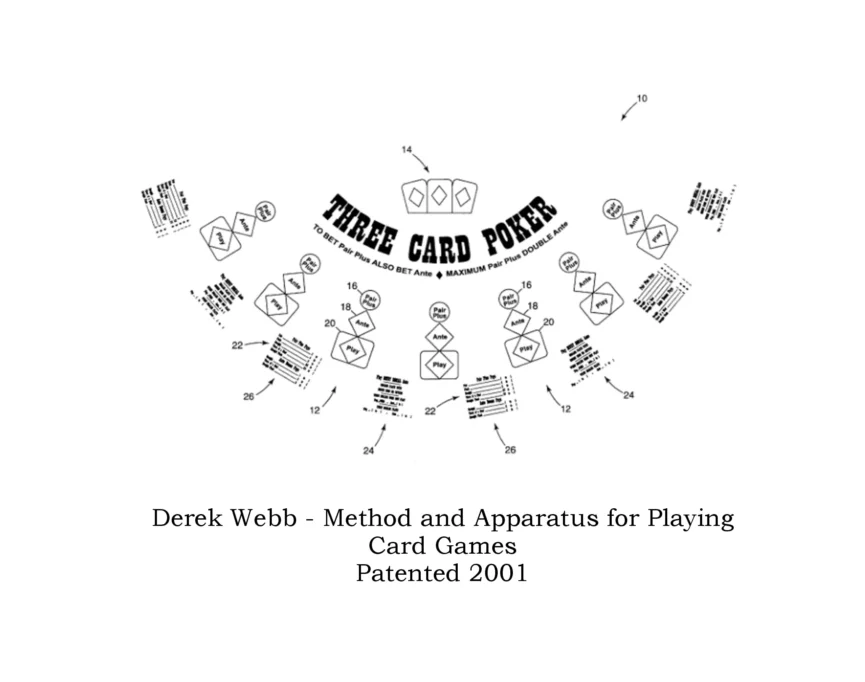
Las Vegas runs on innovation. Casinos constantly look for new ways to attract players, refresh their floors, and stand out in an increasingly competitive market. Game designers, mathematicians, and entrepreneurs develop new table games every year, many of which perform well in real-world play. Naturally, those inventors want patent protection. But federal patent law no longer treats most card-based casino … Read More
Patent Claims: Where an Invention Becomes Enforceable Property
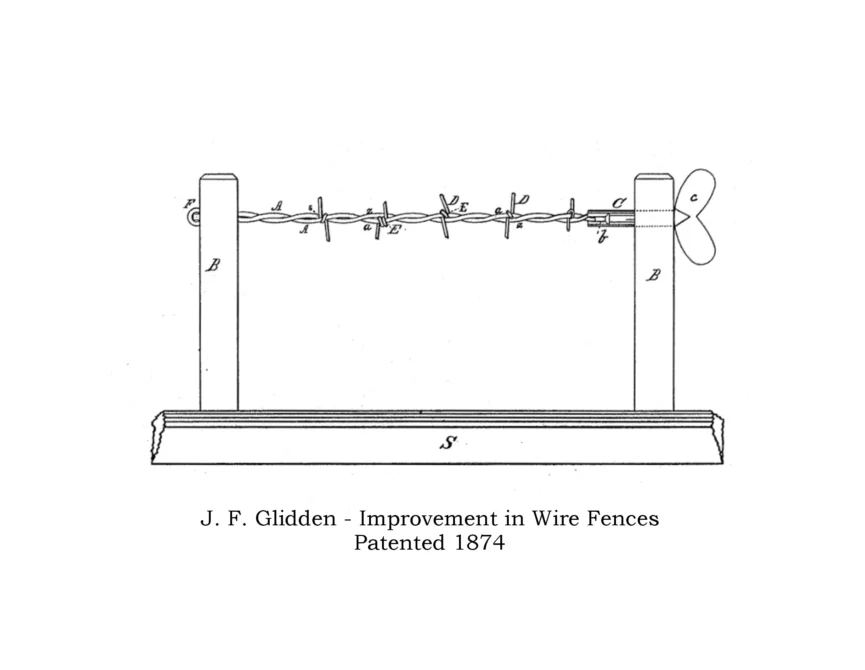
Inventors often spend most of their time thinking about how an invention works. They focus on the problem it solves, the components involved, and the technical details that make it different from what came before. That instinct makes sense. But in patent law, an invention does not become enforceable property until it is defined by patent claims. Patent claims are … Read More
The Enablement Requirement: Teaching the World How to Make and Use Your Invention

Last week, I discussed the written description requirement under Section 112 and how it helps inventors stake the boundaries of their invention — much like miners and ranchers in Nevada once marked the metes and bounds of their land. This week, we turn to the companion requirement under the same statute: enablement. If the written description defines the territory, then … Read More
Do You Need A Prototype?
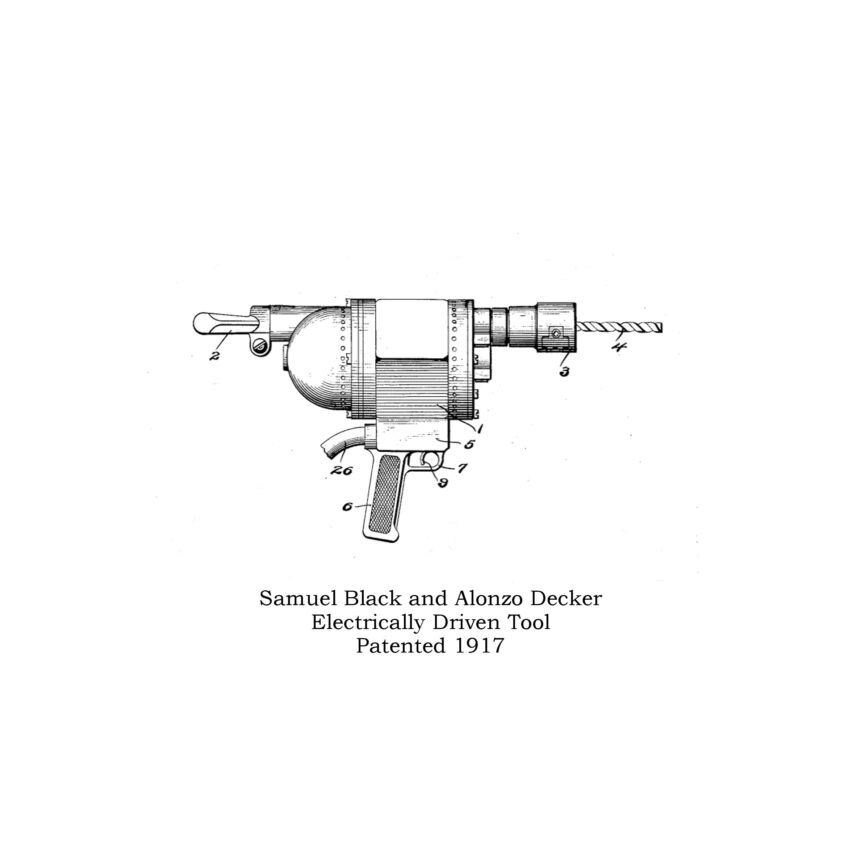
Many inventors believe that building a working prototype is the first step toward protecting and commercializing their invention. While a prototype can be extremely helpful, it is not always necessary—and it certainly doesn’t have to be perfect. Understanding when and why to build one can save you time, money, and frustration. Is a Prototype Required for a Patent Application? In … Read More
What Is Patentable Subject Matter?
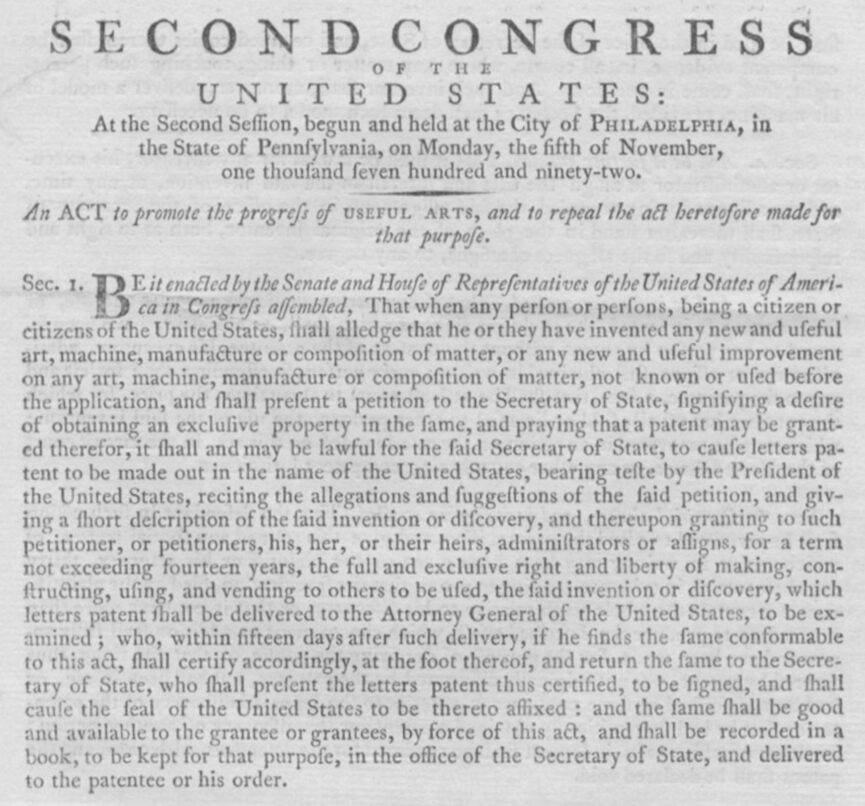
If you’re an inventor or entrepreneur in Las Vegas or anywhere, one of the first questions you may ask is: “Can I even patent my idea?” The answer starts with Section 101 of the Patent Act, which defines the categories of inventions eligible for patent protection in the United States. While other sections of the Patent Act deal with novelty … Read More
Understanding Obviousness In Patent Law

When it comes to patent applications, inventors often focus on novelty. Yes, an invention must be new in order to be granted patent rights. But novelty alone isn’t enough. United States patent law imposes another critical requirement—nonobviousness. Even if an invention has never been seen before, the U.S. Patent and Trademark Office (USPTO) can still reject it if the invention … Read More
Patent Drawings: Yesterday and Today
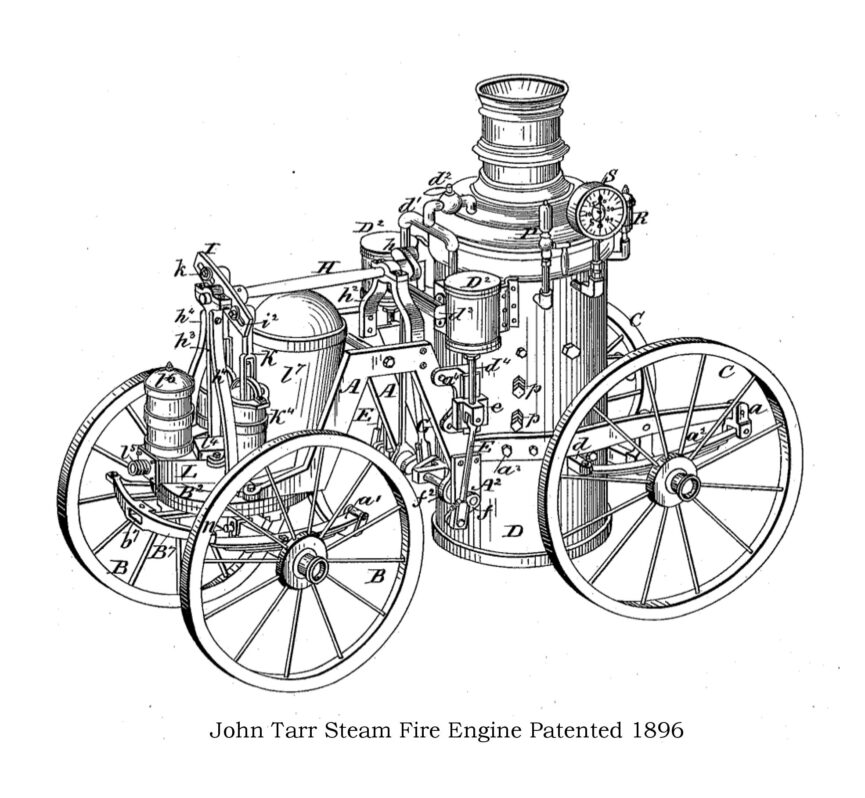
When most people think of patent drawings, they picture hand-drawn illustrations from the late 1800s through the early 1900s. Famous drawings include Thomas Edison’s light bulb patent or Alexander Graham Bell’s telephone patent. And while those historic graphics evoke a certain nostalgic feel, the requirements for patent drawings today are very different. For inventors filing with the United States Patent … Read More
Get “Patent Pending” Fast With A Provisional Patent Application

If you’re an inventor, entrepreneur, or small business owner, you might find yourself asking how do I protect my idea?
- Page 1 of 2
- 1
- 2