Many inventors believe that building a working prototype is the first step toward protecting and commercializing their invention. While a prototype can be extremely helpful, it is not always necessary—and it certainly doesn’t have to be perfect. Understanding when and why to build one can save you time, money, and frustration.
Is a Prototype Required for a Patent Application?
In most cases, the answer is no. The United States Patent and Trademark Office does not require a working prototype to file a patent application. What matters is that your application includes enough detail to enable someone skilled in your field to make and use the invention. A well-drafted patent application with clear drawings and thorough descriptions can often take the place of a physical model.
That said, there are situations where a prototype can be beneficial. A working model can help you refine your design, confirm that your concept actually works, and uncover potential problems before filing a patent application. It can also help communicate the invention’s value to investors, licensees, or manufacturers.
Does a Prototype Need to Be Perfect?
Not at all. Early-stage working models are often rough and functional rather than polished. The goal is to prove that the concept works and identify improvements. Many inventors start with inexpensive materials—3D-printed parts, off-the-shelf components, or even handmade models. Later, as the design evolves, a more refined version can be developed if needed.
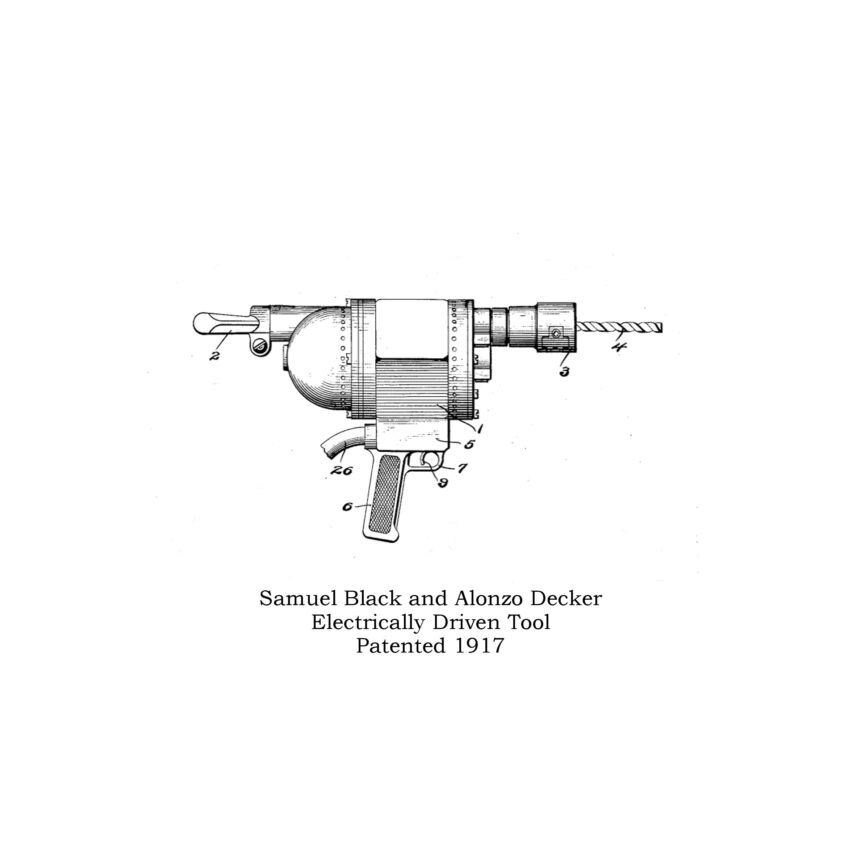
A prototype is a tool, not a finished product. Don’t get caught in “prototype perfectionism.” The first model rarely looks like the final version that reaches the market. Take the first power drill by Black and Decker as an example.
Should You Spend a Lot of Money on a Prototype?
In most cases, no—especially at the beginning. Spending large amounts before confirming that the invention is both functional and commercially viable can be risky. A simple proof-of-concept model often provides all the insight you need early on. Once you’ve filed a patent application and validated market interest, you can justify a more professional prototype.
What About Computer Models or Virtual Prototypes?
For many inventions, a computer model can be an excellent substitute for a physical prototype. 3D CAD models, simulations, or animations can show how the invention works, demonstrate moving parts, and even predict performance. A virtual prototype can also make it easier for a patent attorney to create clear patent drawings and for potential investors to visualize your idea.
We Can Help
A prototype can help refine your invention and communicate it effectively, but it’s not a legal requirement for a patent. Whether physical or digital, your prototype only needs to serve its purpose—to demonstrate and improve your concept. Focus on clarity and practicality, not perfection.
If you’re unsure how far to go with your prototype—or when to file your patent application—contact us for a free consultation. The right strategy can protect your idea while keeping your development costs under control.