Like most people, I did not expect my professional life to change almost overnight in 2020. Before COVID, meeting with a client usually meant sitting together in an office or conference room. Then everything closed. In-person meetings became impossible, and we all had to find new ways to work. I went through that adjustment along with everyone else. At first, … Read More
The 10 Biggest Mistakes Independent Inventors Make (And How to Avoid Them)

Every successful invention begins with an idea, but turning that idea into a valuable asset requires more than creativity. Independent inventors often invest significant amounts of time, money, and effort into developing something new, only to discover that a preventable mistake has weakened their legal rights or slowed their progress. Fortunately, many of these mistakes can be avoided with proper … Read More
Why Inventors Should Keep an Inventor’s Notebook
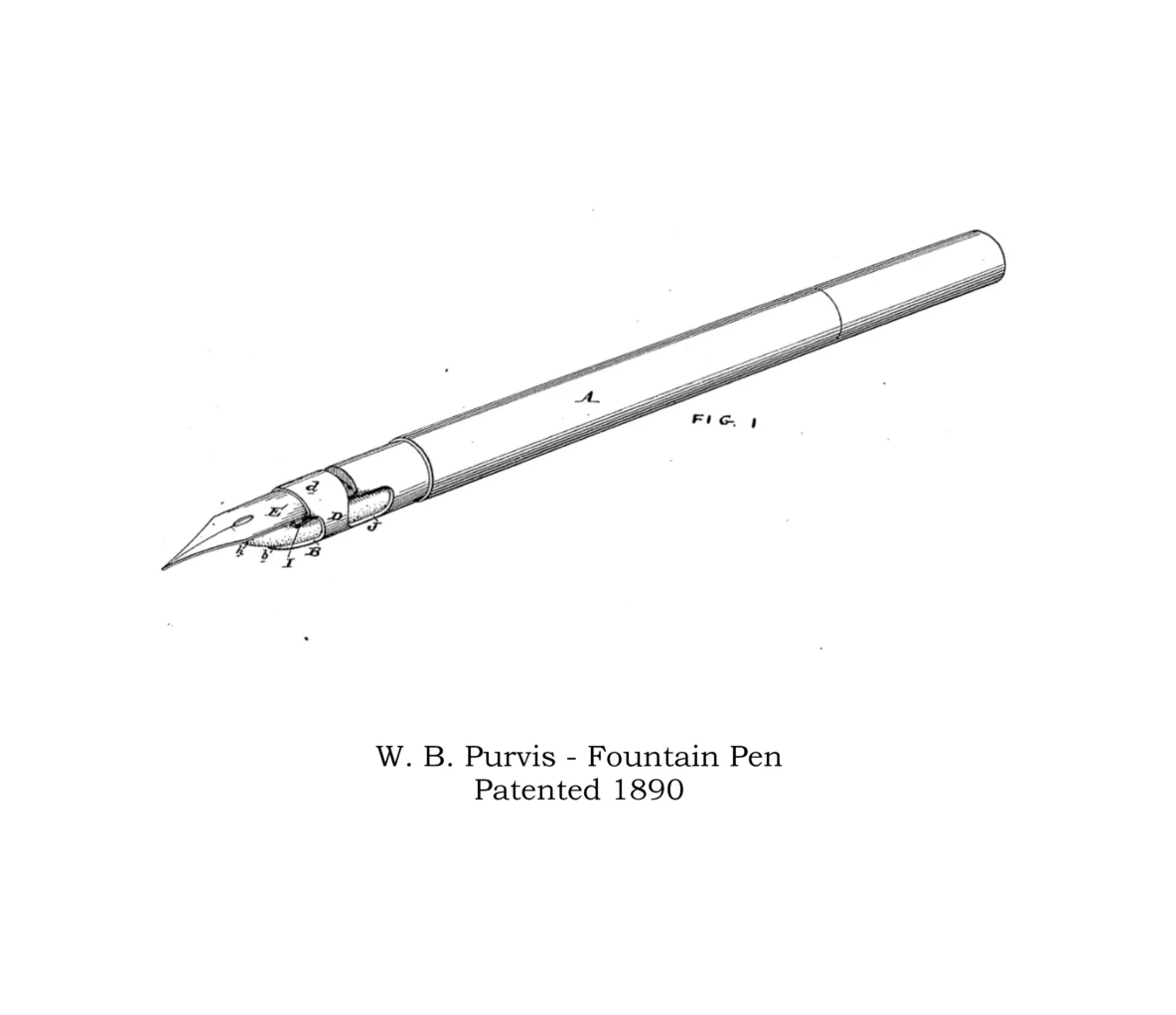
Inventors often think about patents in terms of ideas. They imagine the product, the device, the system, the software, or the improvement they want to protect. Patent law, though, does not reward vague ideas. It rewards inventions that the application describes, claims, enables, and distinguishes from the prior art. That is where records matter. A well-kept inventor’s notebook can become … Read More
What Is a Trade Secret? A Guide for Independent Inventors and Entrepreneurs
Every successful business possesses information that provides a competitive advantage. Sometimes that advantage comes from a patent. Sometimes it comes from a recognizable trademark. In many cases, however, the most valuable asset never appears in a patent application or a trademark registration. It remains a trade secret. Trade secrets protect confidential business information that derives value from remaining secret. Unlike … Read More
Celebrating 250 Years of American Innovation
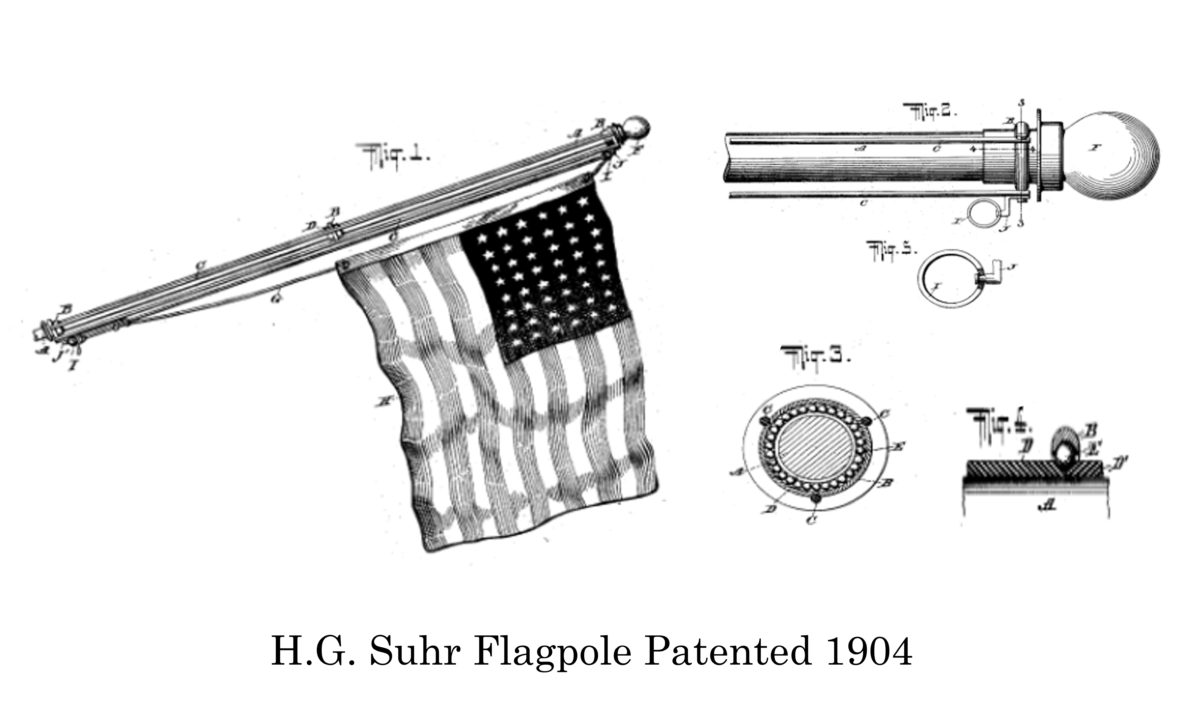
As our nation celebrates its 250th anniversary, Independence Day is a time to reflect on American innovation. For 250 years, inventors, entrepreneurs, and builders have turned ideas into reality. Their work has improved lives, strengthened our economy, and helped shape the modern world. Innovation has always been part of the American story. The United States patent system encourages inventors to … Read More
What Are Trademark Classes?

Many entrepreneurs focus on the trademark they want to protect. They spend time choosing a business name, product name, logo, or slogan. Then they discover that every trademark application requires them to identify specific goods or services associated with the mark. This is where trademark classes come into play. Trademark classes help organize trademark applications and registrations. They provide a … Read More
Can You Patent An Improvement To An Existing Product?
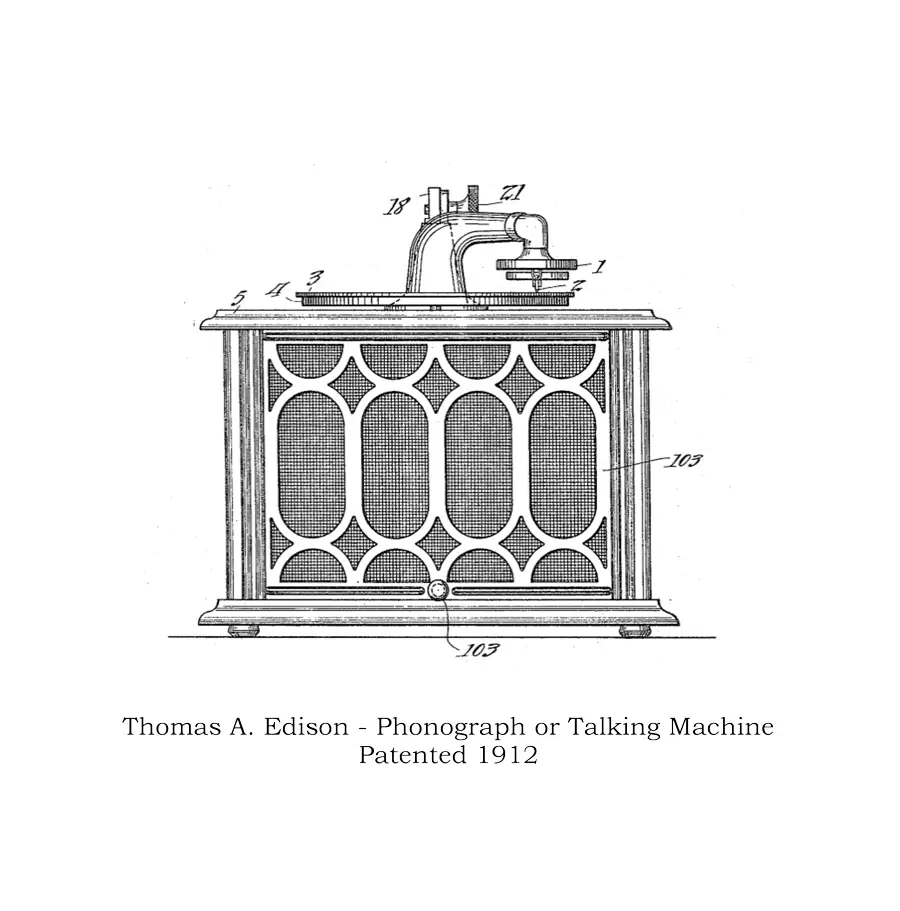
Many independent inventors believe an invention must be completely different from anything that came before it in order to qualify for patent protection. That is not how the patent system works. Many patents protect improvements to existing products, systems, and methods. In fact, much of American innovation occurs through refinement rather than complete reinvention. Inventors improve existing technology every day. … Read More
Can You Patent An Idea?
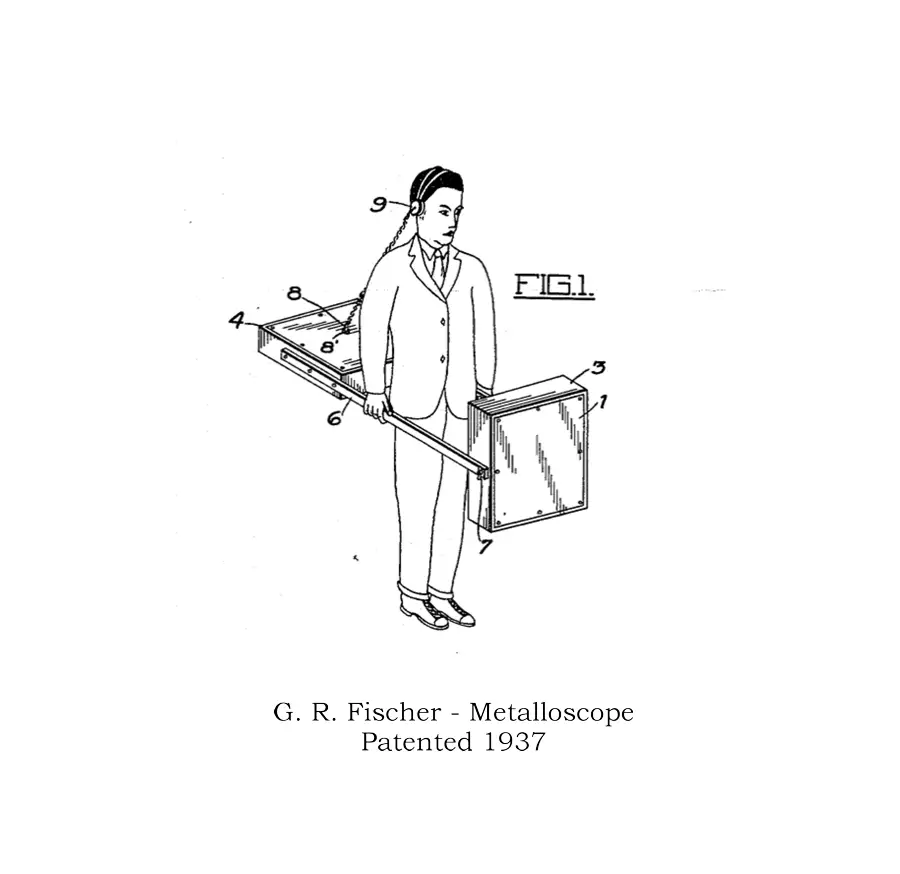
One of the most common questions inventors ask is whether they can patent an idea. The answer is usually no. Every invention starts with an idea, but the patent system protects inventions, not ideas. That distinction is important. Many people use the terms “idea” and “invention” interchangeably. Patent law does not. An idea is often the beginning of the inventive … Read More
Memorial Day 2026

As America approaches its 250th anniversary, Memorial Day reminds us that generations of Americans gave their lives to defend this country and the principles upon which it was founded. Here in Las Vegas and throughout Southern Nevada, we honor those who made the ultimate sacrifice for the United States of America. At The Thornton Firm, we proudly salute and remember … Read More
Understanding Likelihood of Confusion in Trademark Law

For businesses in Las Vegas, branding matters. Your trademark identifies your business, distinguishes your goods or services from competitors, and helps consumers recognize your brand in a crowded marketplace. Protecting your brand with a federal trademark is a smart move to safeguard your identity and ensure long-term success. Strong trademarks create commercial value. Weak or conflicting trademarks create legal headaches. … Read More