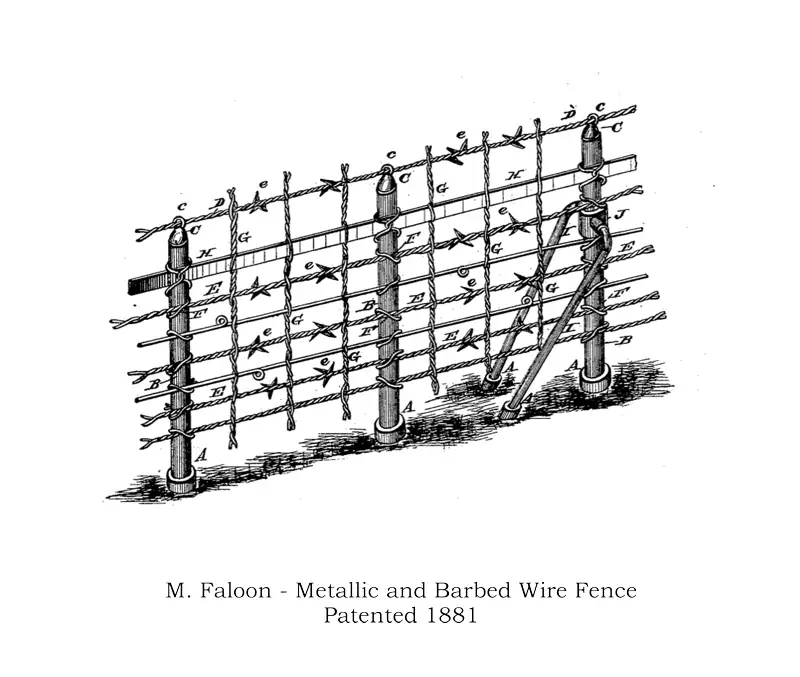
If you have ever read a patent, you probably noticed that claims came across as awkward, repetitive, and unnatural. Words repeat. Sentences run long. The structure feels rigid. Your high school English teacher would probably wonder how a patent practitioner ever got into college. But patent claims are not the result of bad grammar or poor prose. They do not … Read More
Cannabis IP Update: DOJ Reschedules Cannabis to Schedule III
On December 18, 2025, President Trump ordered that cannabis will be rescheduled from Schedule I to Schedule III under the Controlled Substances Act. Today, the federal government has finally taken action on cannabis rescheduling. After months of delay, the United States Department of Justice has moved certain state-licensed medical cannabis products out of Schedule I and into Schedule III. This … Read More
How Long Does It Take to Get a Patent?
“How long does it take to get a patent?” It’s one of the most common questions I receive, and in most cases, the process takes longer than inventors expect. Most U.S. patent applications take about two to four years from filing to issuance. Some move faster and issue in closer to a year. Others take five years or more. The … Read More
A Thorough Invention Disclosure Includes Secondary Considerations

Inventors tend to focus on describing how their invention works. They explain the components, the structure, and the intended use. That is necessary, but it is not enough. Most inventors have never heard the phrase “secondary considerations,” and even those who have tend to underestimate it. The term sounds like an afterthought, something optional or minor, but in patent law … Read More
What Happens When the USPTO Rejects Your Patent Application?
Many inventors assume that once a patent application is filed with the United States Patent and Trademark Office (USPTO), the next step is simply waiting for the patent to issue. In reality, the process rarely works that way. Most patent applications enter a stage known as patent prosecution. After filing, a USPTO patent examiner reviews the application and determines whether … Read More
First to File and Patentability: Both Matter
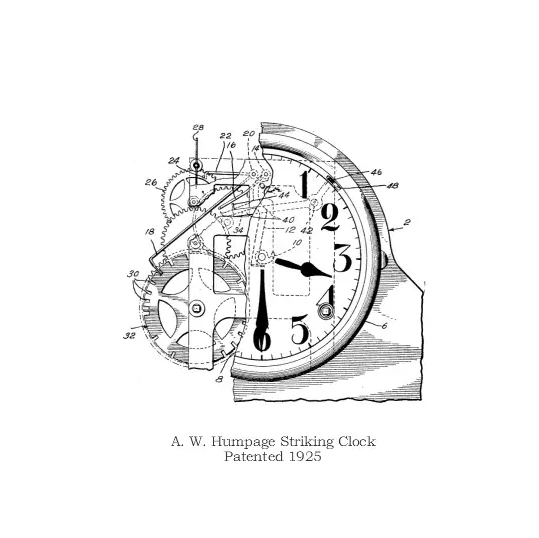
The United States patent system follows a first-to-file rule. This means the inventor who files a patent application first usually secures the earliest priority date for an invention. If two people independently create similar technology, the inventor who files first generally has the stronger legal position. For inventors, this creates an important lesson. Timing matters. Waiting too long to file … Read More
An Inventor’s Guide To Strong Provisional Applications

A provisional patent application can be one of the most useful tools available to independent inventors. It allows you to secure an early filing date, establish “patent pending” status, and continue developing your invention while you prepare a full patent application. The key is understanding what a provisional application actually does. It protects what you disclose at the time you … Read More
An Inventor’s Guide to Novelty
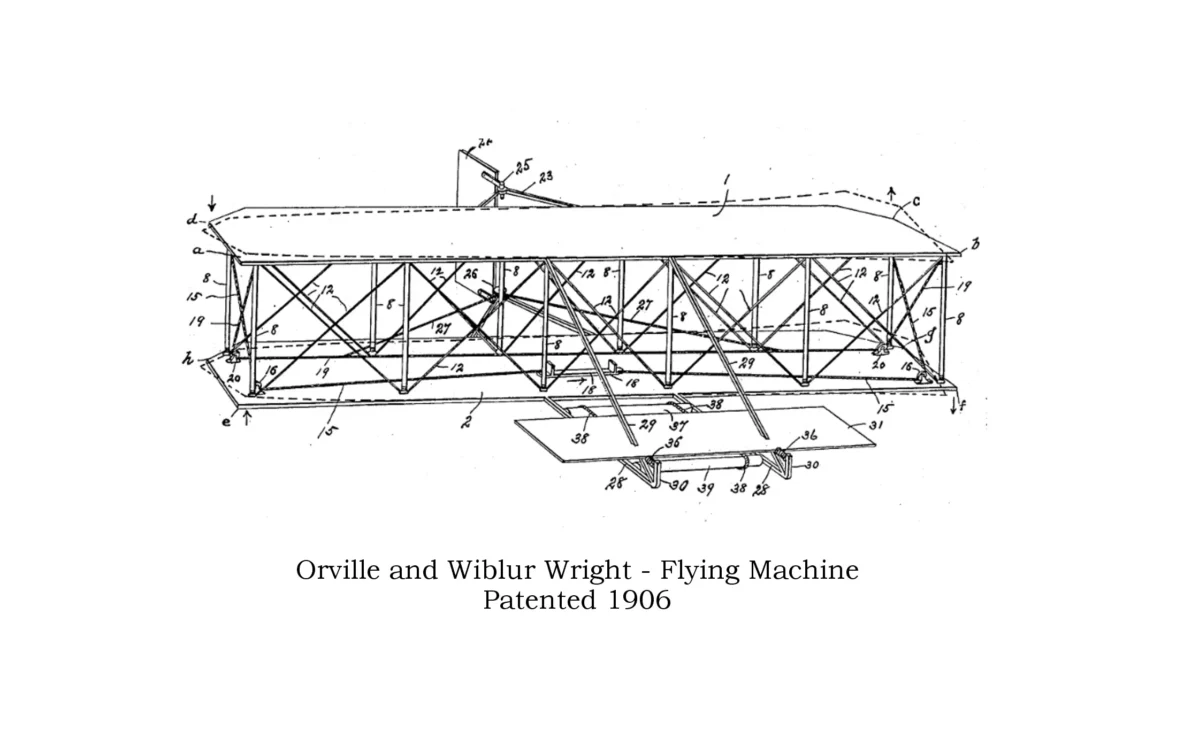
When inventors hear the word “novel,” they usually think of something that feels new. That instinct is correct, but patent law uses the word in a much stricter way. Novelty does not ask whether an invention is exciting, clever, or commercially valuable. It asks a single, unforgiving question: has this invention already been disclosed to the public in any meaningful … Read More
Presidents, Founders, and the American Patent System
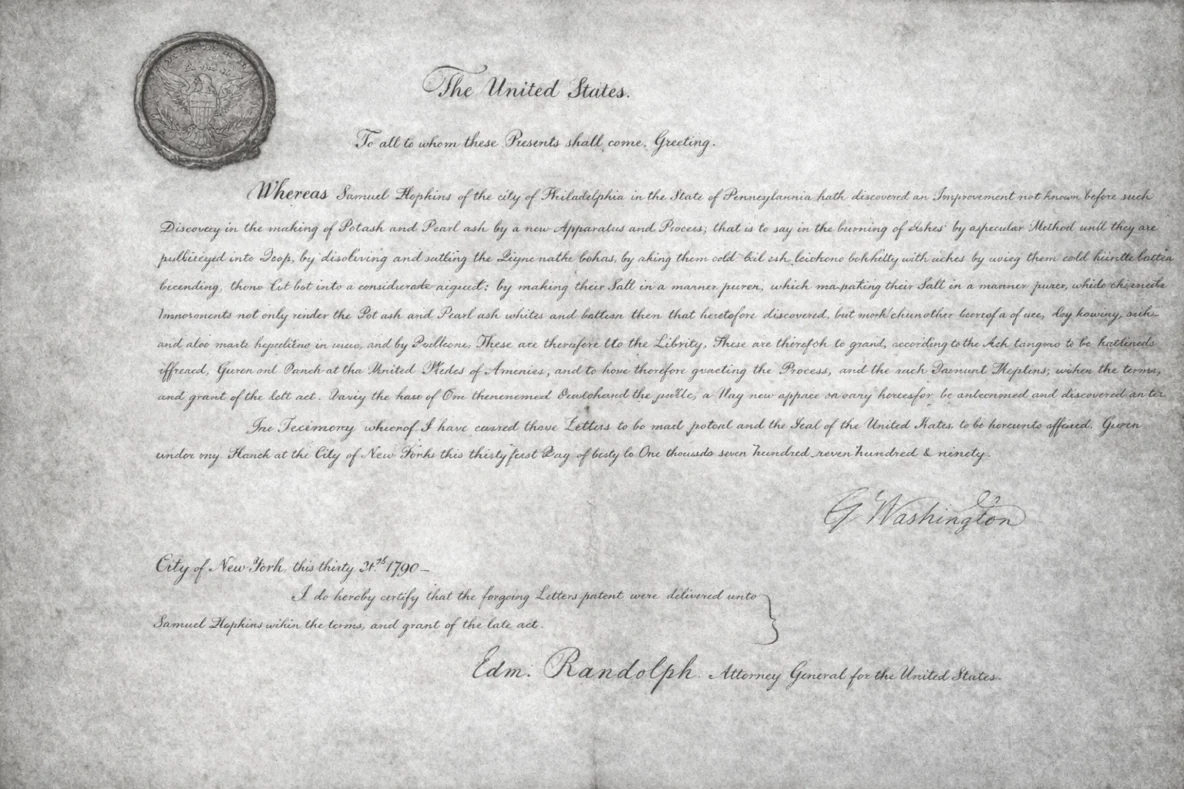
As we celebrate our nation’s 250th anniversary and Presidents’ Day, it is a good time to reflect on our nation’s birth, and the legal institutions the founders worked to establish. The founding generation understood that independence required much more than separation from the British Crown. Independence required durable national systems that could support economic growth, encourage innovation, and operate across … Read More
Copyright Registration: Protecting Original Works Patents and Trademarks Can’t

When people think about intellectual property, patents and trademarks usually come to mind first. Patents protect inventions. Trademarks protect brand names, logos, and other source identifiers. But neither one protects original expression—the writing, images, music, software code, and creative content that businesses and creators produce every day. Copyright protects original works of authorship once they are fixed in a tangible … Read More