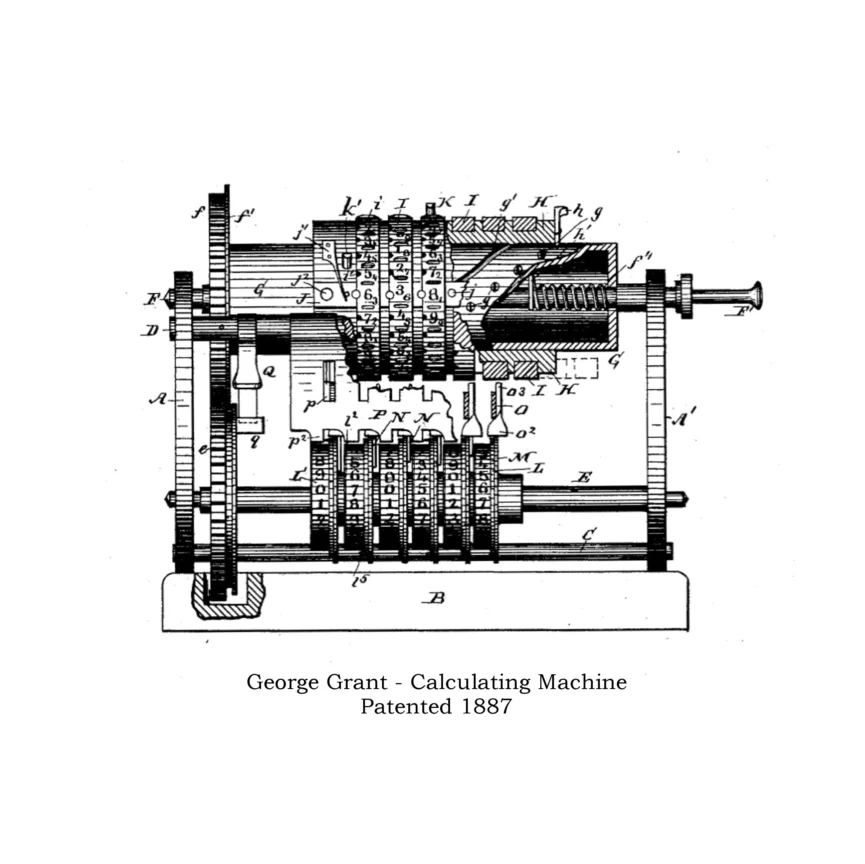
Artificial intelligence is everywhere. From self-driving cars and automated chatbots to legal research platforms and business tools. It is no surprise that AI has entered the world of intellectual property law, especially patent drafting. The AI revolution today makes the personal computing revolution of the 1980s look more like the introduction of adding machines in the 1880s.
AI can create technically coherent text, process large amounts of data, and generate structured documents in seconds. For inventors and attorneys alike, that sounds like the future of patent drafting.
But despite these breakthroughs, drafting a strong patent application takes a lot more than fast words and templates. It requires legal strategy, precise language, and an understanding of both the technology and the law. Right now, AI can assist with certain tasks, but it is simply not ready to replace the judgment and experience of a registered patent attorney.
The Promise of AI in Patent Drafting
Tools like ChatGPT, Claude, and specialized patent software can take a rough invention disclosure and turn it into a structured draft. You can feed an invention summary into an AI system and receive a formatted application with basic sections like the background, summary, and even have it draft set of claims. It can also prepare good drawings if provided pictures upon which to draft. These tools can also organize text into sections such as “detailed description” or “abstract,” which streamlines the early stages of patent drafting.
AI also performs certain research tasks quickly. It can summarize prior art more efficiently than a manual review, making the early phases of invention analysis less time-consuming. For solo inventors and smaller law firms, this creates opportunities to save time and cut costs while moving projects forward faster.
AI clearly has a place in the future of patent work. But it’s not ready to write full, legally sound applications without human guidance.
The Risks of Relying on AI: Confidentiality, Disclosure, and Accuracy
AI tools bring significant risks when used carelessly in patent drafting. Confidentiality is one of the biggest concerns. When you upload an invention’s details into a cloud-based or public AI tool, you may expose those details to third parties. Many platforms retain user input to train future models. If that happens, the invention may stop being confidential long before a patent application is filed.
This leads to another serious issue–public disclosure. If AI-generated text based on your invention ends up in any public output or database, that disclosure could act as prior art against your own patent. In the U.S., inventors have a one-year grace period after a public disclosure. But most foreign countries do not. One accidental disclosure can destroy your rights in major markets.
Even if you avoid confidentiality problems, AI still struggles with both technical and legal accuracy. Put simply, it’s gotten better, but it’s not quite there yet. Patent law demands compliance with the written description requirement and enablement requirement under 35 U.S.C. § 112, which require that claims be fully supported and enabled by the written description. AI doesn’t make judgment calls about claim strategy, doesn’t distinguish between a helpful clarification and a harmful limitation, and doesn’t understand how to avoid § 101 or § 103 rejections.
It can write like a patent attorney. But it cannot think like one.
A Better Approach: Pair AI with Professional Oversight
Inventors and attorneys can get real value from AI when they use it the right way. Treat AI as your research assistant, not your patent draftsman. Use it to create early outlines, translate technical jargon into readable descriptions, or summarize prior art. Then follow up with a human-led review to ensure legal accuracy. Formulate a claim strategy with a patent attorney or patent agent.
The best way to keep your invention secure is to start with a traditional, private invention disclosure. Record the details confidentially, work from that document, and then file a provisional application with the USPTO. If you later decide to use AI to help format or refine a draft, you can do so without risking public disclosure.
AI works best as part of a process—not as the process itself.
Final Thoughts
AI is changing the patent world. But it probably won’t be replacing patent attorneys for a while. At The Thornton Firm, we already use AI-powered tools to increase efficiency, streamline research, and improve turnaround time. But every tool we use operates under strict confidentiality, and every document goes through my own personal review.
AI delivers speed. Human expertise delivers protection. Smart inventors and practitioners use both.
If you want to explore patent protection and want to understand how modern tools can help without putting your rights at risk, now is a great time to reach out.