
Every successful invention begins with an idea, but turning that idea into a valuable asset requires more than creativity. Independent inventors often invest significant amounts of time, money, and effort into developing something new, only to discover that a preventable mistake has weakened their legal rights or slowed their progress. Fortunately, many of these mistakes can be avoided with proper … Read More
Why Inventors Should Keep an Inventor’s Notebook
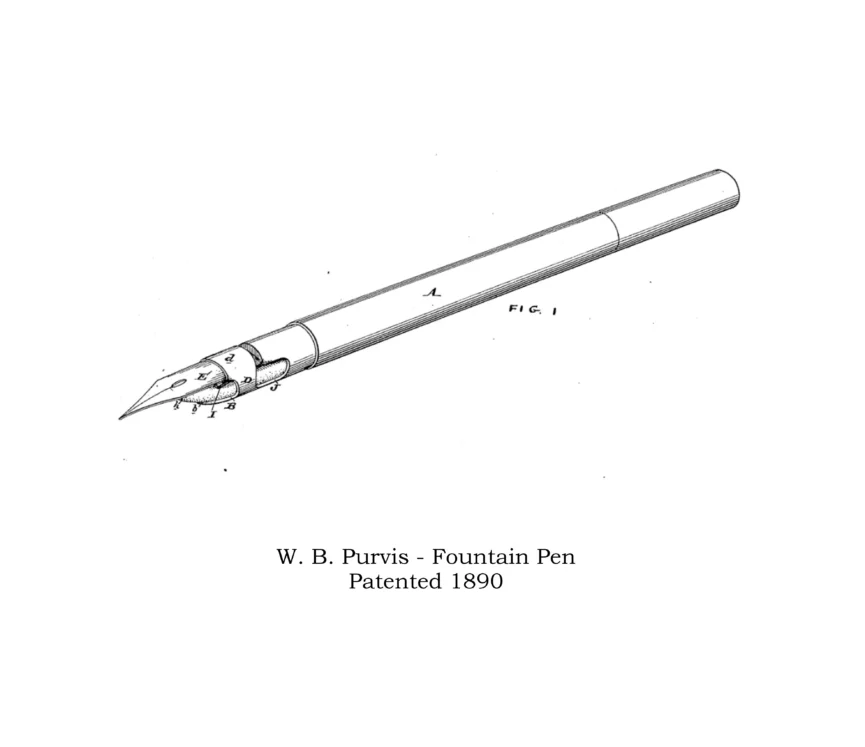
Inventors often think about patents in terms of ideas. They imagine the product, the device, the system, the software, or the improvement they want to protect. Patent law, though, does not reward vague ideas. It rewards inventions that the application describes, claims, enables, and distinguishes from the prior art. That is where records matter. A well-kept inventor’s notebook can become … Read More
What Is a Trade Secret? A Guide for Independent Inventors and Entrepreneurs
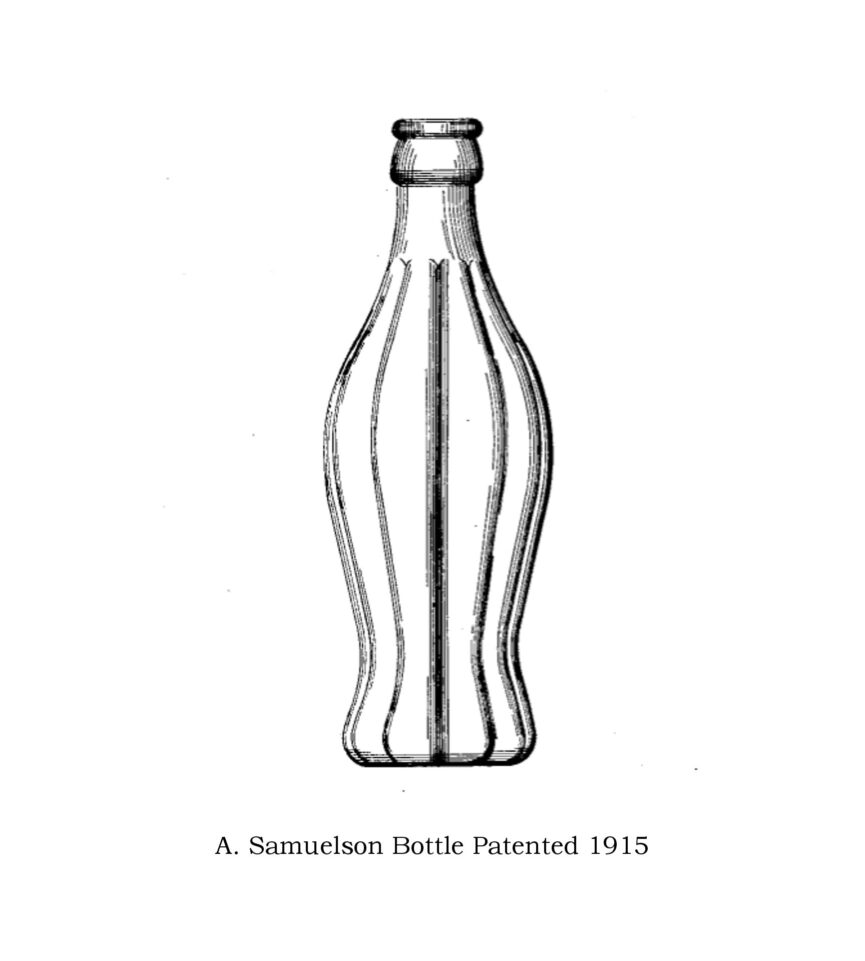
Every successful business possesses information that provides a competitive advantage. Sometimes that advantage comes from a patent. Sometimes it comes from a recognizable trademark. In many cases, however, the most valuable asset never appears in a patent application or a trademark registration. It remains a trade secret. Trade secrets protect confidential business information that derives value from remaining secret. Unlike … Read More
Can You Patent An Improvement To An Existing Product?
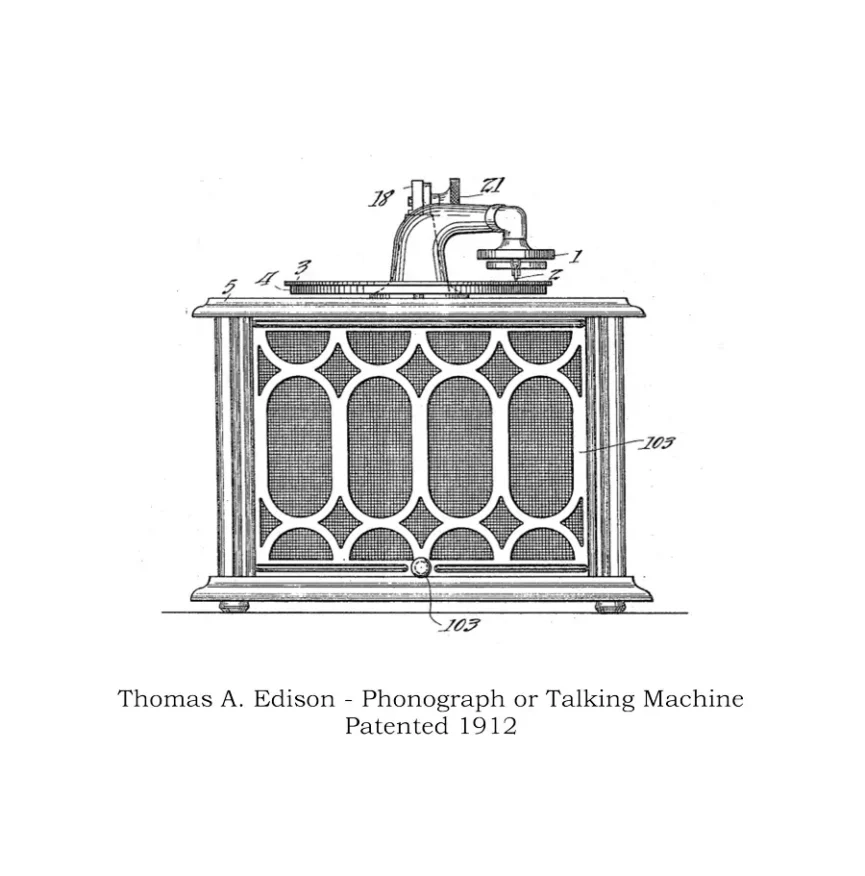
Many independent inventors believe an invention must be completely different from anything that came before it in order to qualify for patent protection. That is not how the patent system works. Many patents protect improvements to existing products, systems, and methods. In fact, much of American innovation occurs through refinement rather than complete reinvention. Inventors improve existing technology every day. … Read More
Can You Patent An Idea?
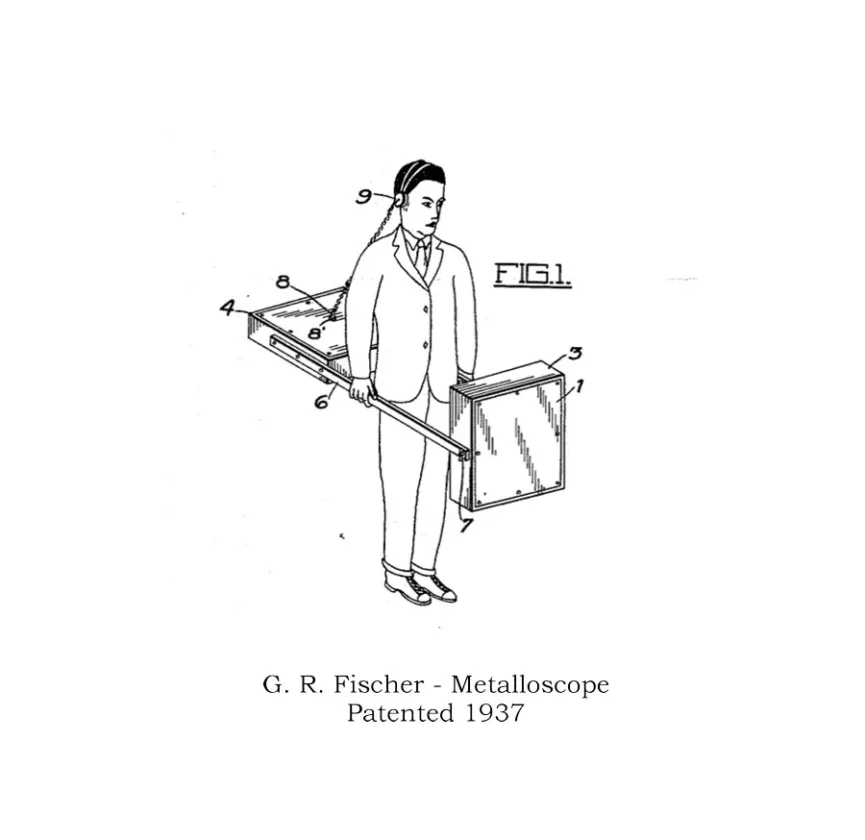
One of the most common questions inventors ask is whether they can patent an idea. The answer is usually no. Every invention starts with an idea, but the patent system protects inventions, not ideas. That distinction is important. Many people use the terms “idea” and “invention” interchangeably. Patent law does not. An idea is often the beginning of the inventive … Read More
Understanding Likelihood of Confusion in Trademark Law

For businesses in Las Vegas, branding matters. Your trademark identifies your business, distinguishes your goods or services from competitors, and helps consumers recognize your brand in a crowded marketplace. Protecting your brand with a federal trademark is a smart move to safeguard your identity and ensure long-term success. Strong trademarks create commercial value. Weak or conflicting trademarks create legal headaches. … Read More
The Art of Patent Claims
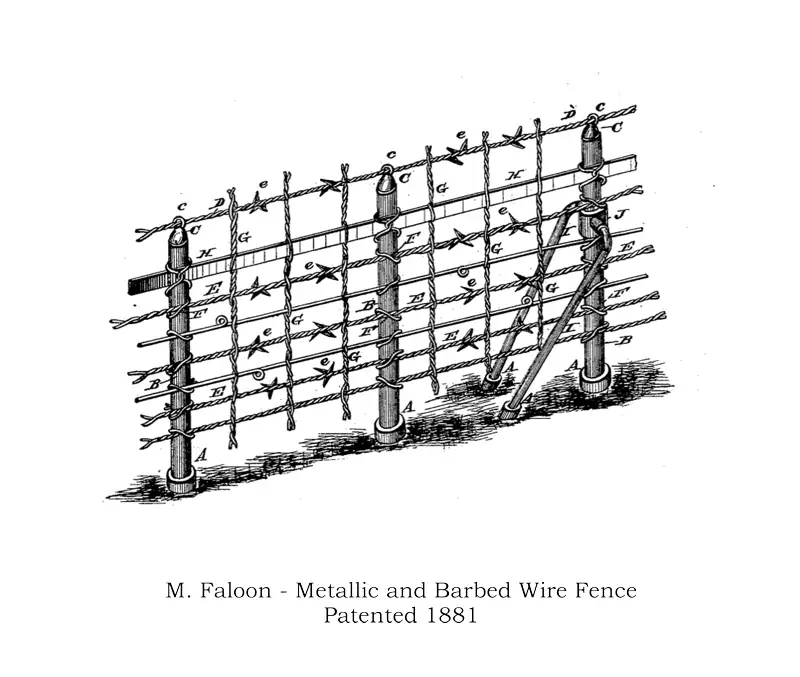
If you have ever read a patent, you probably noticed that claims came across as awkward, repetitive, and unnatural. Words repeat. Sentences run long. The structure feels rigid. Your high school English teacher would probably wonder how a patent practitioner ever got into college. But patent claims are not the result of bad grammar or poor prose. They do not … Read More
Cannabis IP Update: DOJ Reschedules Cannabis to Schedule III
On December 18, 2025, President Trump ordered that cannabis will be rescheduled from Schedule I to Schedule III under the Controlled Substances Act. Today, the federal government has finally taken action on cannabis rescheduling. After months of delay, the United States Department of Justice has moved certain state-licensed medical cannabis products out of Schedule I and into Schedule III. This … Read More
How Long Does It Take to Get a Patent?
“How long does it take to get a patent?” It’s one of the most common questions I receive, and in most cases, the process takes longer than inventors expect. Most U.S. patent applications take about two to four years from filing to issuance. Some move faster and issue in closer to a year. Others take five years or more. The … Read More
A Thorough Invention Disclosure Includes Secondary Considerations
Inventors tend to focus on describing how their invention works. They explain the components, the structure, and the intended use. That is necessary, but it is not enough. Most inventors have never heard the phrase “secondary considerations,” and even those who have tend to underestimate it. The term sounds like an afterthought, something optional or minor, but in patent law … Read More