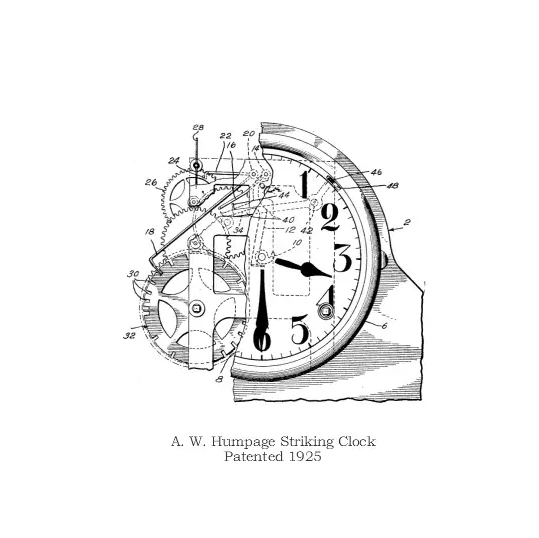
The United States patent system follows a first-to-file rule. This means the inventor who files a patent application first usually secures the earliest priority date for an invention. If two people independently create similar technology, the inventor who files first generally has the stronger legal position. For inventors, this creates an important lesson. Timing matters. Waiting too long to file … Read More
An Inventor’s Guide To Strong Provisional Applications
A provisional patent application can be one of the most useful tools available to independent inventors. It allows you to secure an early filing date, establish “patent pending” status, and continue developing your invention while you prepare a full patent application. The key is understanding what a provisional application actually does. It protects what you disclose at the time you … Read More
An Inventor’s Guide to Novelty
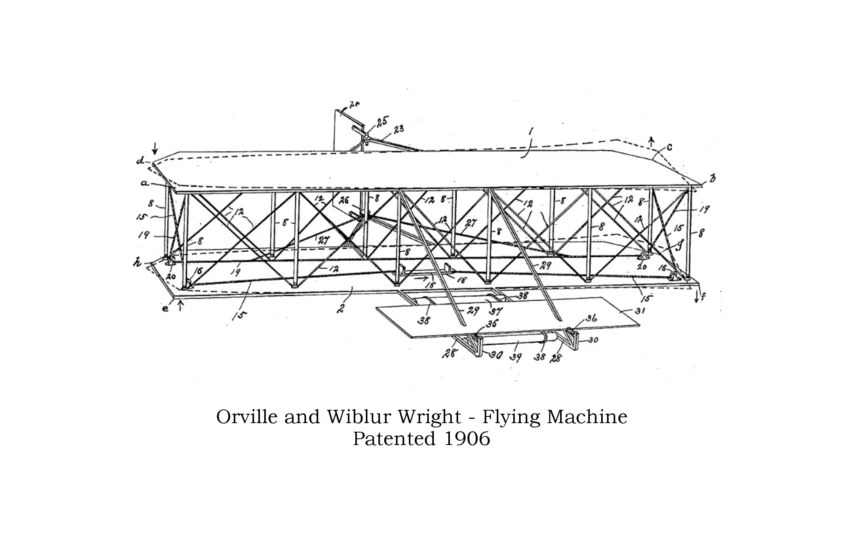
When inventors hear the word “novel,” they usually think of something that feels new. That instinct is correct, but patent law uses the word in a much stricter way. Novelty does not ask whether an invention is exciting, clever, or commercially valuable. It asks a single, unforgiving question: has this invention already been disclosed to the public in any meaningful … Read More
Copyright Registration: Protecting Original Works Patents and Trademarks Can’t

When people think about intellectual property, patents and trademarks usually come to mind first. Patents protect inventions. Trademarks protect brand names, logos, and other source identifiers. But neither one protects original expression—the writing, images, music, software code, and creative content that businesses and creators produce every day. Copyright protects original works of authorship once they are fixed in a tangible … Read More
Incredible Utility and the Limits of Patentability

Patent law assumes that most inventions have utility. When an application describes a specific, practical use and does not contradict established science, the USPTO generally accepts that the invention works as described and turns to questions of novelty and obviousness. That presumption ends when an invention asserts incredible utility. These are claims so implausible that a person of ordinary skill … Read More
Gaming Patents and Why Most Card Games Are No Longer Patentable
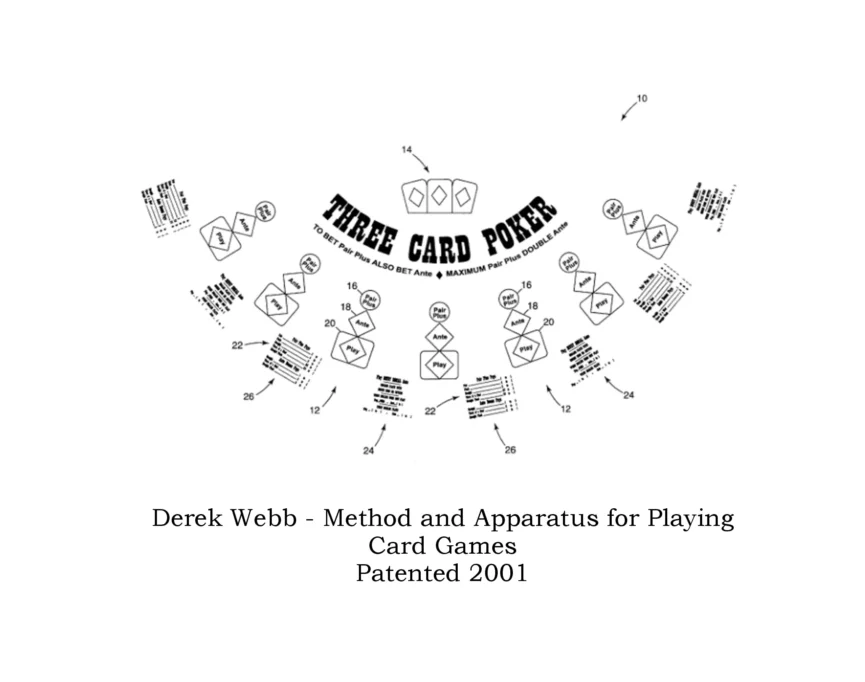
Las Vegas runs on innovation. Casinos constantly look for new ways to attract players, refresh their floors, and stand out in an increasingly competitive market. Game designers, mathematicians, and entrepreneurs develop new table games every year, many of which perform well in real-world play. Naturally, those inventors want patent protection. But federal patent law no longer treats most card-based casino … Read More
Patent Claims: Where an Invention Becomes Enforceable Property
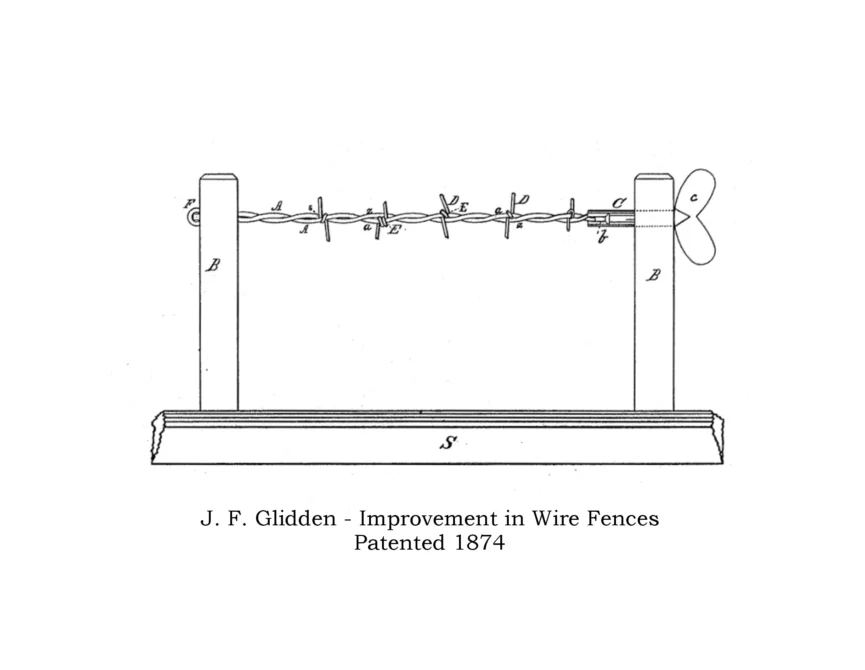
Inventors often spend most of their time thinking about how an invention works. They focus on the problem it solves, the components involved, and the technical details that make it different from what came before. That instinct makes sense. But in patent law, an invention does not become enforceable property until it is defined by patent claims. Patent claims are … Read More
Choosing a Brand Name: Why Strong Trademarks Are Created, Not Described

Many inventors and entrepreneurs approach branding with the same mindset they bring to product design. They want clarity. They want a name that immediately explains what the product or service does. From a bottom-line perspective, that instinct makes sense. From a trademark perspective, it often creates problems. Trademark law does not protect description. It protects distinctiveness. That disconnect explains why … Read More
Patent Drawings: Why They’re Easier Than Ever to Get Right
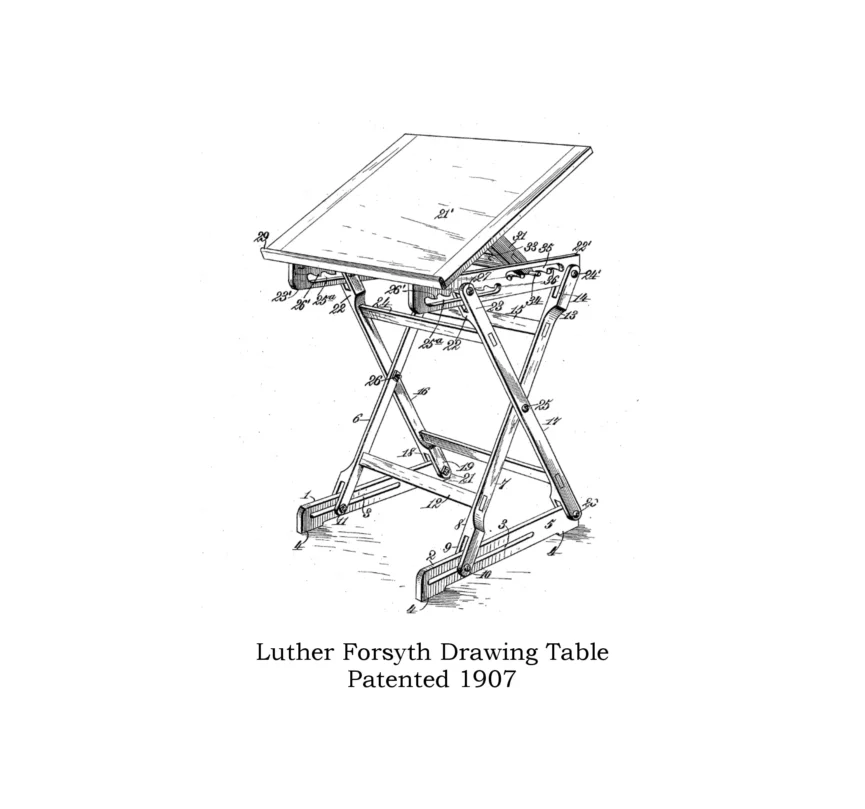
Patent drawings sit at the intersection of law, engineering, and technical writing. They translate an idea into something a patent examiner or juror can quickly understand, and they often determine how broadly—or narrowly—an invention receives protection. While many inventors still think of drawings as mechanical sketches, modern patent practice tells a broader story. Today’s drawings explain physical structures, system architecture, … Read More
Cannabis Rescheduled to Schedule III: What This Means for Federal IP Protection
Today’s executive order that cannabis will be rescheduled from Schedule I to Schedule III under the Controlled Substances Act marks a significant shift in federal drug policy. The change does not amount amount to an act of Congress. Nor does this amount to full federal legalization. However, it reflects a formal recognition that cannabis has accepted medical use under federal … Read More