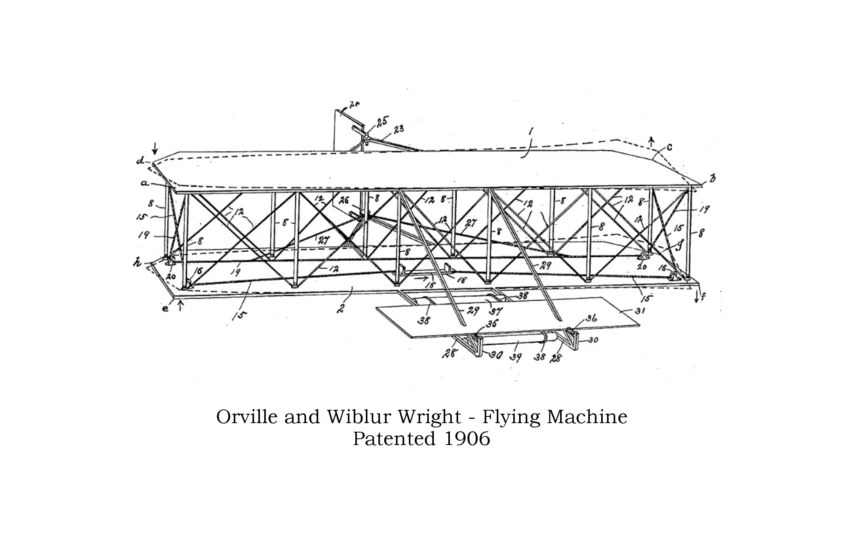
When inventors hear the word “novel,” they usually think of something that feels new. That instinct is correct, but patent law uses the word in a much stricter way. Novelty does not ask whether an invention is exciting, clever, or commercially valuable. It asks a single, unforgiving question: has this invention already been disclosed to the public in any meaningful way?
An invention is novel only if no single earlier reference describes all of its features. If the public already had access to the same invention before the relevant date, patent law treats the invention as old. It doesn’t matter whether the invention was on the market or not. Novelty is about public knowledge.
This concept of newness sits at the foundation of patentability. If an invention is not new, the analysis ends there. No amount of technical brilliance or clever drafting can rescue an invention that lacks novelty.
Novelty in U.S. Patent Law
In the United States, novelty is governed by Section 102 of the Patent Act. Section 102 defines when an invention is considered “anticipated.” If a single prior art reference discloses the same invention, the USPTO must reject the claim, and courts must invalidate it.
Unlike obviousness, novelty does not involve combining references or asking whether something would have been easy to figure out. That type of combination analysis belongs to obviousness under Section 103. Novelty is a strict, one-to-one comparison. Either the invention already appears in a single earlier disclosure, or it does not.
This is why novelty is often described as a bright-line rule. It leaves very little room for argument once the facts are clear.
What “Prior Art” Means Under Section 102
Prior art is any information that was publicly available before the relevant date of the invention. Such information does not need to be well known. Nor does it need to be commercially successful. If it was accessible to the public, it can count as prior art.
Prior art includes patents and published patent applications. It also includes technical papers, product manuals, presentations, public uses and/or sales. A single blog post, a trade show demonstration, or a YouTube video can qualify. The law does not care whether the inventor personally knew about the reference. Public availability is the only question.
Patent law defines prior art broadly because the patent system is designed to reward new contributions.
Section 102(a)(1): Public Disclosures Before Filing
Section 102(a)(1) covers inventions that were already available to the public before a patent application is filed. If the invention was patented, described in a printed publication, in public use, on sale, or otherwise made available to the public before the effective filing date, it is not novel.
This provision captures most of the common novelty problems inventors face. Publishing a white paper, launching a website, selling a product, presenting at a conference, or openly demonstrating the invention can all trigger this section. Even informal disclosures can count if they place the invention into the public domain.
The key point is timing. Once the public has access to the invention, novelty is gone unless an exception applies.
Section 102(a)(2): Earlier Patent Filings by Others
Section 102(a)(2) addresses an inventor’s quiet competitor–earlier-filed patent applications. If someone else filed a patent application before you, and that application later publishes or issues, it can be prior art even if it was secret at the time you filed.
This rule reflects the first-inventor-to-file system. Patent rights go to the party who gets to the USPTO first, not necessarily the party who thought of the invention first. A later-published application can still defeat novelty if its effective filing date predates yours.
From an inventor’s perspective, this is one of the strongest reasons to file early. You may never know who is working on a similar idea, but the filing system will eventually reveal it.
Section 102(b): The Grace Period for Inventors
Section 102(b) provides a limited grace period for certain disclosures made by the inventor or derived from the inventor. If the inventor publicly discloses the invention and then files a patent application within one year, that disclosure will not be used against the inventor for novelty purposes.
This grace period is narrow and dangerous to rely on. It does not apply to disclosures made by independent third parties, and it does not apply in most foreign jurisdictions. And it often creates evidentiary disputes about who disclosed what and when.
From a practical standpoint, the grace period exists as a safety net, not a strategy. Filing before disclosure is always safer.
Why Public Disclosure Can Be Fatal
Public disclosure is one of the most common ways inventors lose patent rights without realizing it. Once an invention enters the public domain, novelty evaporates. The law assumes that the public should not lose access to knowledge it already has.
This is true even when the disclosure feels incomplete. A description does not need to include every detail or optimal embodiment. If it discloses the claimed invention as a whole, novelty is gone. Intent does not matter. Good faith does not matter. Lack of awareness does not matter.
The USPTO and courts apply this rule strictly because novelty protects the boundary between private patent rights and public knowledge.
How Patent Examiners and Courts Analyze Novelty
Patent examiners analyze novelty by comparing each claim to a single prior art reference. If the reference discloses every limitation of the claim, either explicitly or inherently, the claim lacks novelty.
Judges apply the same analysis during litigation. If a single prior art reference anticipates the claim, the patent is invalid. There is no balancing test. There is no weighing of differences. Novelty lives or dies on disclosure.
But drafting claims around what is new is only part of the task. The application must also include a written description that shows possession of the invention and an enabling disclosure that teaches others how to make and use it.
Novelty as a Foundation of Patent Strategy
Novelty is not just a legal hurdle. It shapes filing strategy, disclosure timing, and claim drafting. Understanding how Section 102 works helps inventors avoid irreversible mistakes and helps practitioners frame claims around what is truly new.
An invention does not need to be revolutionary. It simply needs to add something that the public did not already have. But once the public has it, patent law will not protect it.
That is why novelty is one of the gatekeepers of patentability, and why respecting it early is far easier than fighting it later.