Every successful business possesses information that provides a competitive advantage. Sometimes that advantage comes from a patent. Sometimes it comes from a recognizable trademark. In many cases, however, the most valuable asset never appears in a patent application or a trademark registration.
It remains a trade secret.
Trade secrets protect confidential business information that derives value from remaining secret. Unlike patents, trade secrets can last indefinitely. They do not expire after twenty years. Instead, they remain protected for as long as the owner takes reasonable steps to keep the information confidential.
Understanding trade secret law allows inventors, startups, and small businesses to protect valuable information that may never appear in a public filing.
What Is a Trade Secret?
A trade secret is information that has independent economic value because it is not generally known and cannot be readily discovered by others through proper means. The owner must also take reasonable measures to keep the information secret.
Trade secrets can include manufacturing techniques, product formulas, software source code, algorithms, engineering drawings, customer lists, pricing information, marketing strategies, supplier relationships, business methods, research data, prototypes, testing results, and other confidential information that provides a business advantage over competitors.
The law does not require a trade secret to be revolutionary or groundbreaking. Instead, the information must simply provide economic value because competitors do not know it.
Many companies accumulate trade secrets over years of research, testing, customer development, and business experience. While each individual piece of information may appear ordinary, the combination of that information can become an extremely valuable asset.
The Coca-Cola Formula
Perhaps the most famous trade secret in the world is the formula for Coca-Cola.
Rather than seeking patent protection, the company chose to keep the recipe confidential. A patent would have required public disclosure of the formula in exchange for a limited period of exclusive rights. Once the patent expired, anyone could legally manufacture the product using the disclosed formula.
Instead, the company relied upon trade secret protection.
More than a century later, the formula reportedly remains confidential. Although countless imitators have attempted to reproduce the product, the original formula continues to represent one of the most valuable trade secrets ever created.
The Coca-Cola example demonstrates one of the greatest strengths of trade secret law. If a secret remains confidential, protection can continue indefinitely.
The Defend Trade Secrets Act
For many years, trade secret protection primarily existed under state law. In 2016, Congress enacted the Defend Trade Secrets Act (DTSA), creating a federal civil cause of action for trade secret misappropriation.
The DTSA allows businesses to file suit in federal court when someone improperly acquires, discloses, or uses a trade secret related to a product or service used in interstate or foreign commerce.
To prevail under the DTSA, a plaintiff generally must establish that the information qualifies as a trade secret, that reasonable measures were taken to maintain its secrecy, and that the defendant misappropriated the information through improper means or breached a duty to maintain confidentiality.
The DTSA authorizes several significant remedies. Federal courts may issue injunctions to prevent further misuse of trade secrets. A successful plaintiff may also recover damages for actual losses, unjust enrichment, and, in cases involving willful and malicious misappropriation, exemplary damages and attorney’s fees.
These remedies provide businesses with powerful tools to stop the misuse of confidential information before additional damage occurs.
Reasonable Steps Matter
Many business owners assume information automatically becomes a trade secret simply because they consider it confidential.
The law requires more.
Courts expect businesses to take reasonable measures to protect confidential information. Those measures often include limiting employee access, password protecting electronic systems, maintaining physical security, labeling confidential documents, educating employees about confidentiality obligations, and requiring employees, contractors, vendors, and business partners to sign appropriate confidentiality agreements.
If a company freely distributes confidential information without restrictions, a court may conclude that the information no longer qualifies as a trade secret.
The best trade secret protection begins long before litigation.
Nondisclosure and Nonuse Agreements
One of the most effective ways to protect confidential information involves written agreements.
A nondisclosure agreement, commonly called an NDA, requires a recipient to keep confidential information secret and prohibits unauthorized disclosure to others.
A nonuse agreement goes one step further. It prohibits the recipient from using the confidential information for purposes outside the parties’ agreed relationship, even if the information never becomes publicly disclosed.
Many modern confidentiality agreements combine both obligations into a single contract. The recipient agrees not to disclose the confidential information and agrees not to use it except for the specific purpose authorized by the owner.
Inventors frequently use these agreements before discussing inventions with potential manufacturers, software developers, investors, consultants, engineers, designers, and prospective business partners.
Although no agreement can eliminate every risk, a carefully drafted confidentiality agreement establishes clear contractual obligations and strengthens a future claim if confidential information is later misused.
Trade Secrets Versus Patents
Trade secrets and patents both protect valuable innovations, but they operate in fundamentally different ways.
A patent grants the owner the right to exclude others from making, using, selling, offering for sale, or importing the claimed invention for a limited period. In exchange for those exclusive rights, the inventor must publicly disclose the invention in sufficient detail to enable others to make and use it after the patent expires.
Trade secrets require exactly the opposite approach.
Instead of public disclosure, the owner keeps the information confidential. The protection continues only while the information remains secret.
Choosing between patent protection and trade secret protection often requires careful strategic analysis. Some inventions can be reverse engineered simply by examining the finished product. Those inventions often benefit from patent protection because competitors may independently discover the technology once the product reaches the marketplace.
Other technologies remain hidden during normal use. Manufacturing processes, proprietary software running on secure servers, internal algorithms, chemical formulations, and specialized business processes may remain confidential for many years. Those innovations may be good candidates for trade secret protection.
In some situations, businesses use both forms of protection. A patent may protect one aspect of an invention while confidential manufacturing techniques, testing procedures, calibration methods, or proprietary software remain protected as trade secrets.
Trade Secrets and Trademarks
Trade secrets and trademarks protect entirely different types of intellectual property.
A trademark identifies the source of goods or services. Brand names, logos, slogans, and other distinctive identifiers help consumers recognize a particular business and distinguish it from competitors.
Trade secrets protect confidential information that provides a competitive business advantage.
A company may own valuable trademarks while simultaneously protecting trade secrets.
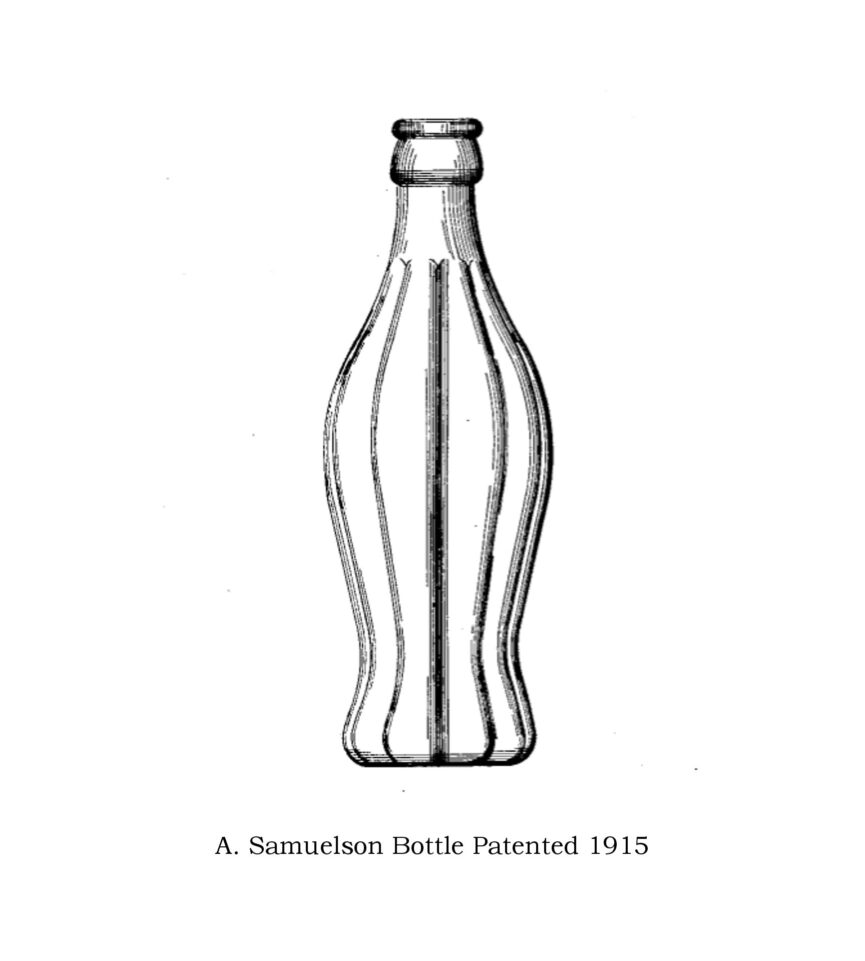
For example, the Coca-Cola name, distinctive bottle, and logo function as trademarks that identify the company’s products in the marketplace. The formula itself remains a trade secret. Together, the trademark builds consumer recognition while the trade secret protects confidential know-how.
Many successful companies rely upon this combination.
Can Trade Secrets and Patents Work Together?
Absolutely.
Many businesses develop comprehensive intellectual property strategies that combine patents, trademarks, copyrights, and trade secrets.
A patented product may incorporate confidential manufacturing processes that remain trade secrets. A software company may patent certain technical innovations while protecting its source code and internal development tools as trade secrets. A manufacturer may patent its products while maintaining confidential quality-control procedures, supplier relationships, pricing models, and production techniques.
Each form of intellectual property protects a different aspect of a business.
When used together, these protections create multiple layers of legal protection that competitors may find difficult to overcome.
Protect Your Competitive Advantage
For many inventors and entrepreneurs, the most valuable intellectual property never appears in a government registration.
Confidential technical information, proprietary business knowledge, software, manufacturing processes, customer information, and research data can become valuable trade secrets when properly protected.
Before sharing sensitive information with employees, contractors, manufacturers, or potential business partners, consider whether a confidentiality agreement is appropriate. Likewise, before publicly disclosing an invention, evaluate whether patent protection, trade secret protection, or a combination of both best serves your long-term business objectives.
Choosing the right intellectual property strategy at the beginning of a business can prevent costly disputes and preserve valuable competitive advantages for years to come.