Inventors often spend most of their time thinking about how an invention works. They focus on the problem it solves, the components involved, and the technical details that make it different from what came before. That instinct makes sense. But in patent law, an invention does not become enforceable property until it is defined by patent claims. Patent claims are … Read More
Patent Drawings: Why They’re Easier Than Ever to Get Right
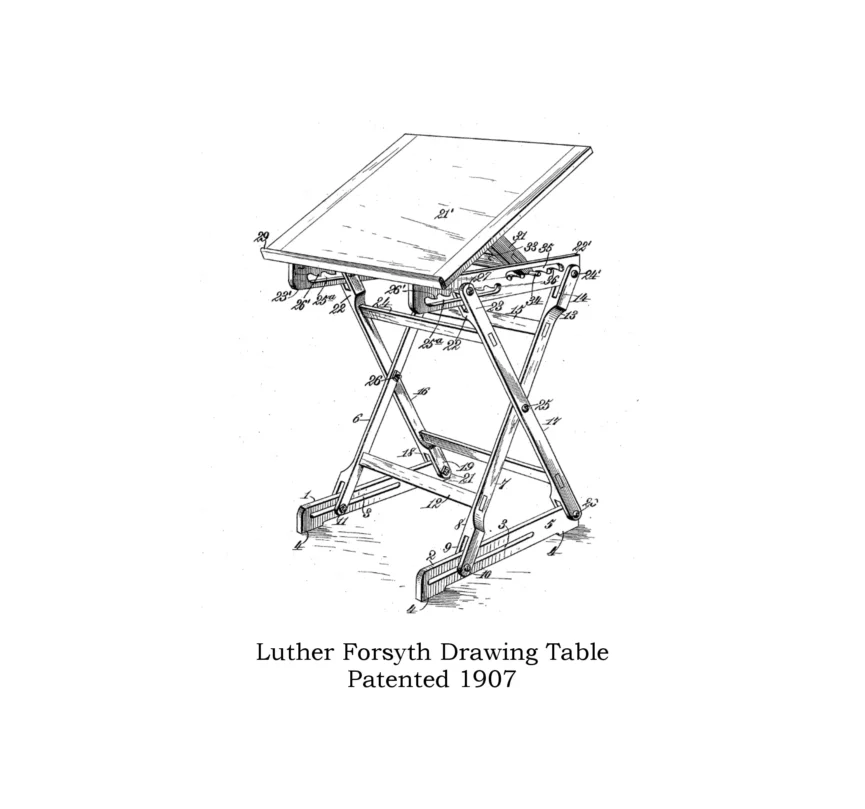
Patent drawings sit at the intersection of law, engineering, and technical writing. They translate an idea into something a patent examiner or juror can quickly understand, and they often determine how broadly—or narrowly—an invention receives protection. While many inventors still think of drawings as mechanical sketches, modern patent practice tells a broader story. Today’s drawings explain physical structures, system architecture, … Read More
Cannabis Rescheduled to Schedule III: What This Means for Federal IP Protection
Today’s executive order that cannabis will be rescheduled from Schedule I to Schedule III under the Controlled Substances Act marks a significant shift in federal drug policy. The change does not amount amount to an act of Congress. Nor does this amount to full federal legalization. However, it reflects a formal recognition that cannabis has accepted medical use under federal … Read More
What Is Prior Art?
When you pursue a patent, few concepts matter more than prior art. Prior art forms the foundation of every novelty and obviousness determination the United States Patent and Trademark Office makes. Patent examiners do not evaluate inventions in isolation. They analyze them through the lens of what the public already knows. For independent inventors, understanding how examiners view earlier disclosures … Read More
Can AI Draft a Patent Application? What Inventors Need to Know
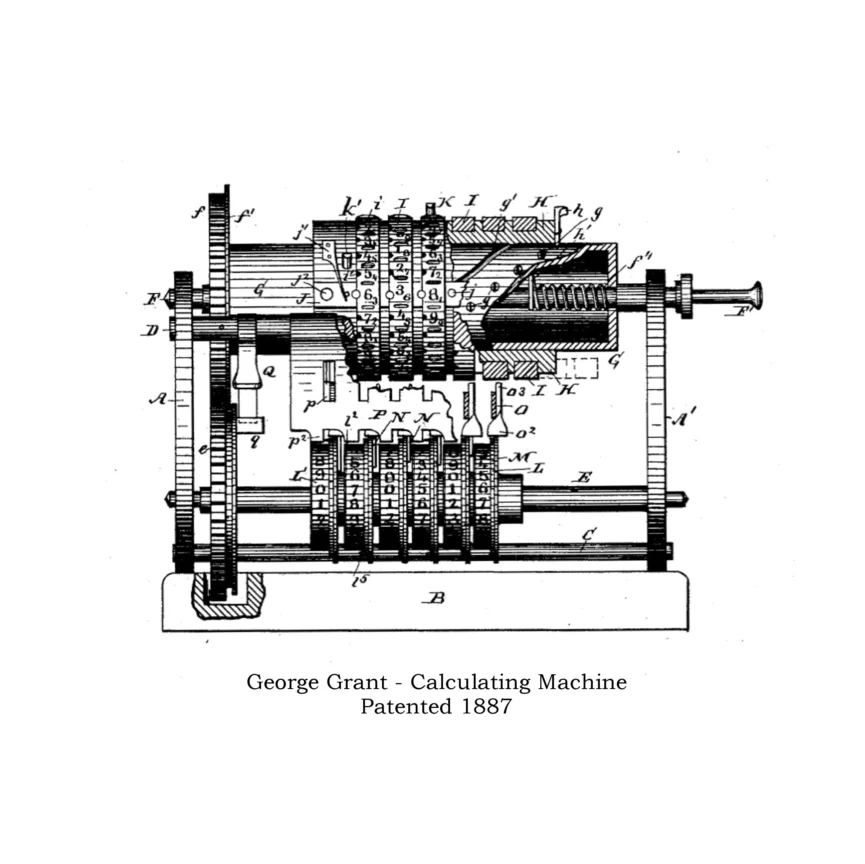
Artificial intelligence is everywhere. From self-driving cars and automated chatbots to legal research platforms and business tools. It is no surprise that AI has entered the world of intellectual property law, especially patent drafting. The AI revolution today makes the personal computing revolution of the 1980s look more like the introduction of adding machines in the 1880s. AI can create … Read More
The Enablement Requirement: Teaching the World How to Make and Use Your Invention

Last week, I discussed the written description requirement under Section 112 and how it helps inventors stake the boundaries of their invention — much like miners and ranchers in Nevada once marked the metes and bounds of their land. This week, we turn to the companion requirement under the same statute: enablement. If the written description defines the territory, then … Read More
The Written Description Requirement: Staking Your Claim
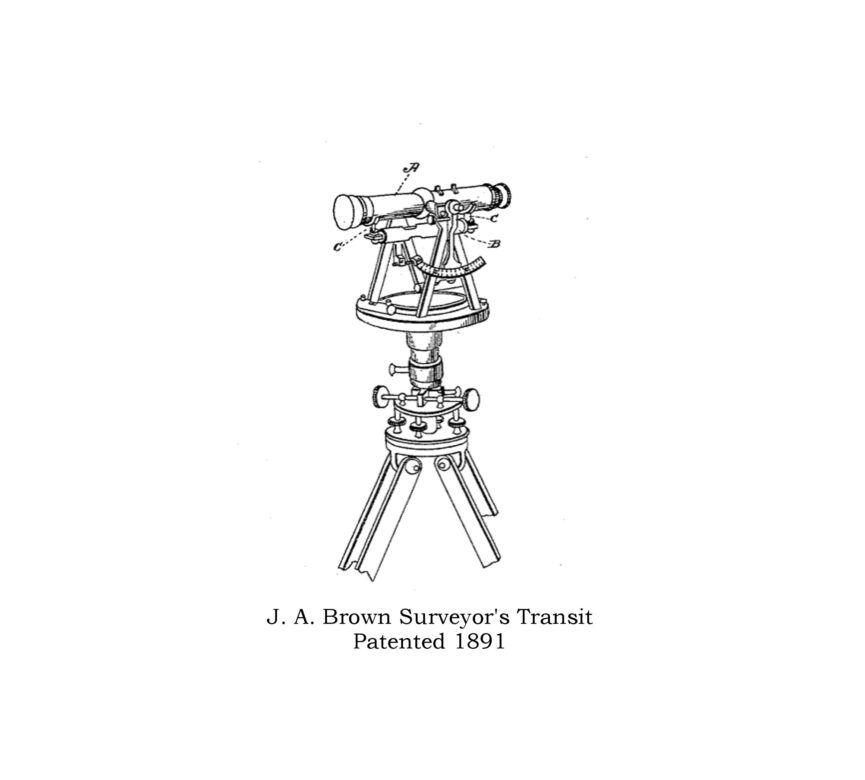
Nevada earned its nickname, the Silver State, because generations of prospectors, miners and settlers knew what it meant to stake a claim. They walked the land, marked boundaries, filed their notices, and documented their property rights with precision. The process was not symbolic. It determined ownership. The written description requirement under 35 U.S.C. §112(a) works the same way. When you … Read More
Do You Need A Prototype?
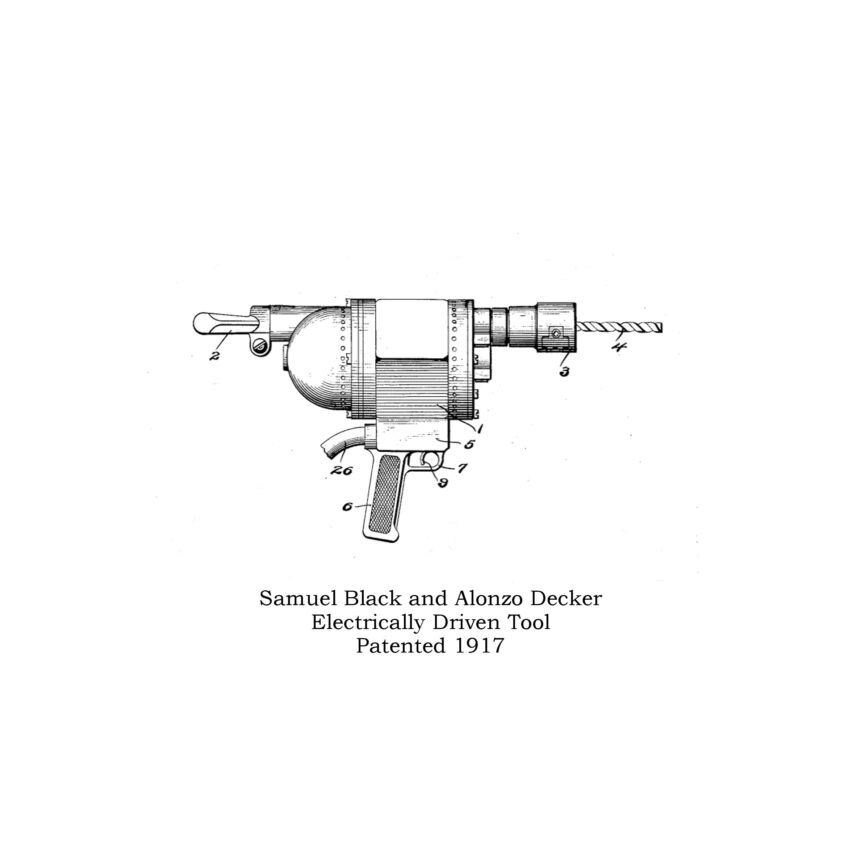
Many inventors believe that building a working prototype is the first step toward protecting and commercializing their invention. While a prototype can be extremely helpful, it is not always necessary—and it certainly doesn’t have to be perfect. Understanding when and why to build one can save you time, money, and frustration. Is a Prototype Required for a Patent Application? In … Read More
Thinking Ahead By Adding Alternative Embodiments
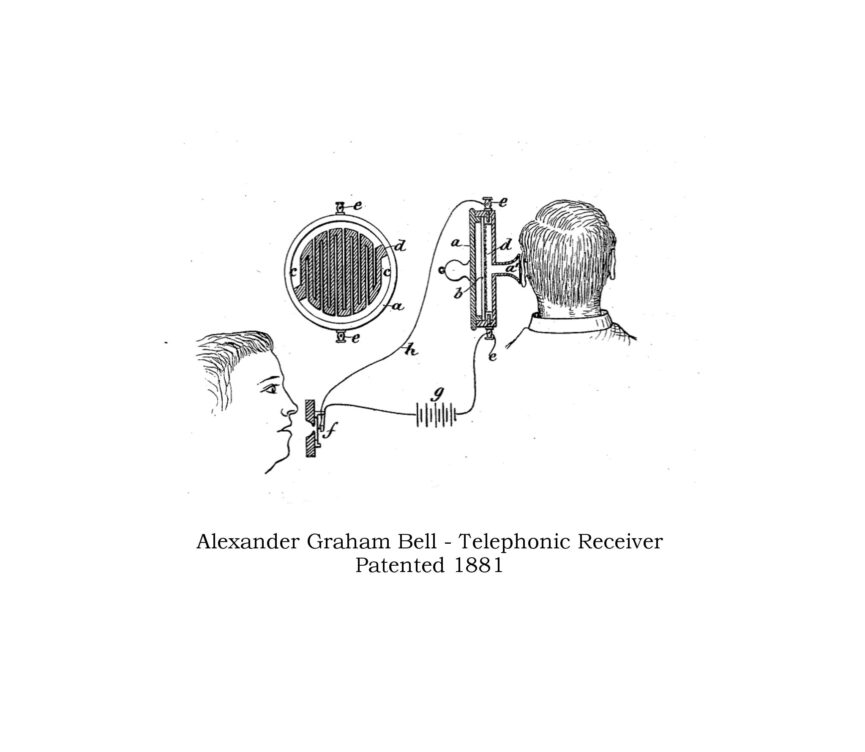
When drafting a patent application, the best way to protect an invention is to describe alternative embodiments. Alternative embodiments are variations, modifications, or different implementations of the same inventive concept. They expand the scope of protection and make it harder for competitors to design around your invention. Competitors constantly look for ways to “design around” issued patents. Designing around means … Read More
Understanding Design Patents
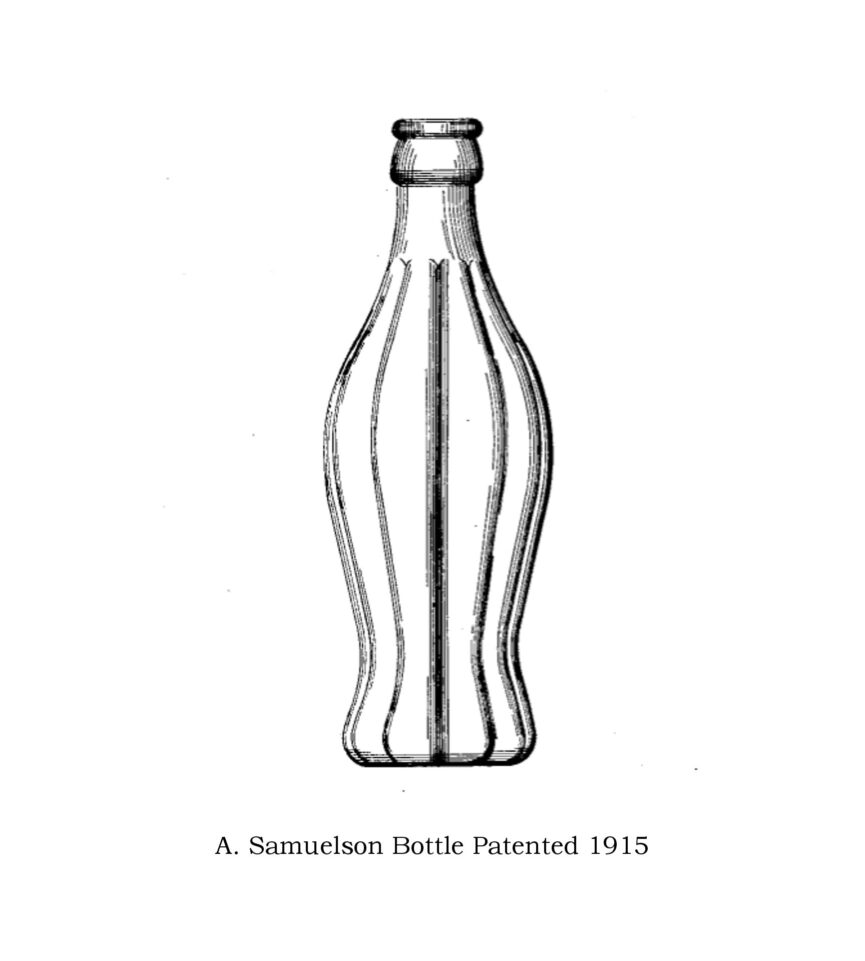
When people think of patents, they often picture complex machines or breakthrough pharmaceuticals. But not all inventions are about how something works. Sometimes, it’s about how it looks. That’s where design patents come in. Design patents protect the ornamental appearance of a product rather than its structure or function. For many businesses, especially those in consumer products, electronics, or fashion, … Read More