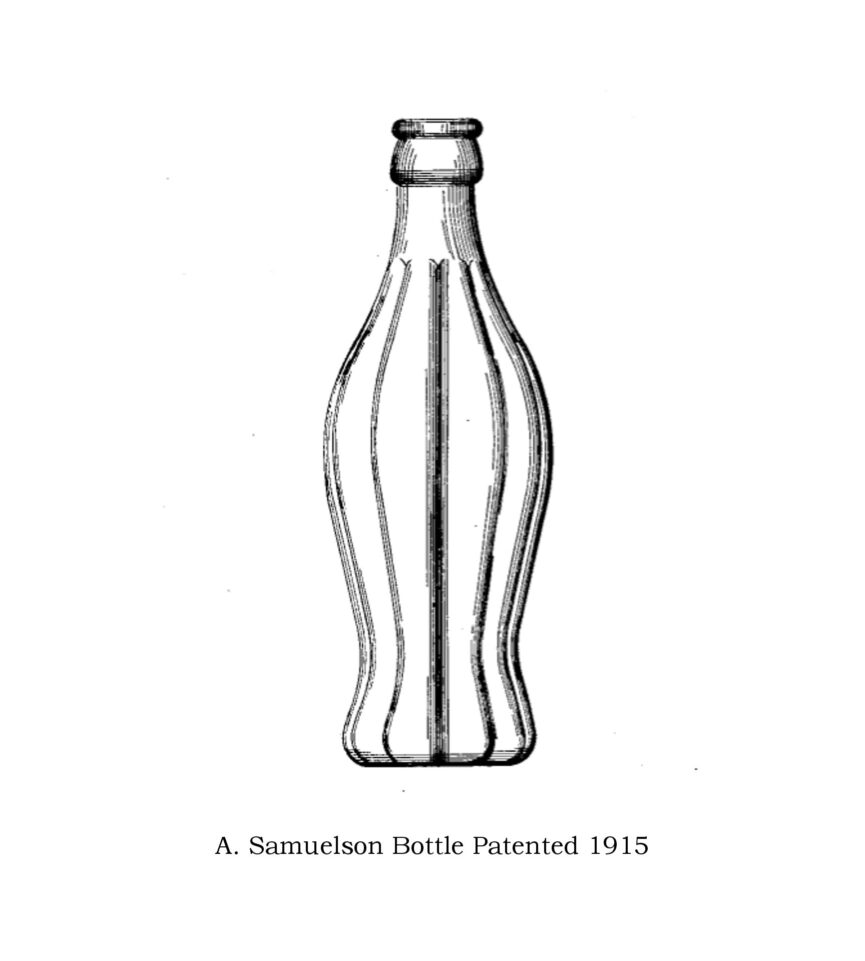
When people think of patents, they often picture complex machines or breakthrough pharmaceuticals. But not all inventions are about how something works. Sometimes, it’s about how it looks. That’s where design patents come in. Design patents protect the ornamental appearance of a product rather than its structure or function. For many businesses, especially those in consumer products, electronics, or fashion, design patents can provide powerful protection against imitators who try to copy the look and feel of a successful product.
What a Design Patent Covers
A design patent protects the ornamental design of an article of manufacture. In simple terms, it covers the visual aspects—the shape, pattern, surface decoration, or overall appearance—of a product. The protection does not extend to how the product functions. For example, while a utility patent might cover the mechanical workings of a smartphone, a design patent could protect the shape of the phone’s casing or the layout of its screen icons.
Because design patents protect appearance, the drawings are everything. The patent drawings define the scope of the claimed design and must be clear, consistent, and professionally prepared. Solid lines typically indicate the claimed design features, while broken lines show portions of the product that are not claimed. The United States Patent and Trademark Office (USPTO) examines these drawings carefully to ensure the design is new and non-obvious compared to existing designs.
Requirements for a Design Patent
To be eligible for design patent protection, a design must meet a few key requirements:
- Novelty: The design must be new and not previously disclosed to the public.
- Non Obvious: The design cannot be an obvious modification or derivative of existing designs.
- Ornamentality: The design must be primarily aesthetic, not purely functional.
- Originality: The design must originate from the inventor and not be a copy of an existing design.
- Definiteness: The design must be clearly shown in the drawings so others can recognize what is protected.
Unlike utility patents, design patents do not require a detailed written description or claims that define function. The visual disclosure itself—usually seven figures showing multiple views—is what matters most.
Design patents are also faster and more affordable to obtain. The average pendency time before the USPTO is often around one to two years, compared to three or more years for utility patents. Once granted, a U.S. design patent provides protection for 15 years from the date of issuance, with no maintenance fees required.
How Design Patent Infringement Is Determined
Infringement of a design patent is judged by visual comparison. The key test, established in case law, is whether an “ordinary observer” familiar with prior designs would find the accused product to be substantially the same as the patented design. If the overall visual impression is so similar that the observer might be deceived, infringement has occurred.
Courts focus on the design as a whole—not on individual details—and consider the context of existing designs. Minor changes or variations often do not avoid infringement if the overall appearance remains substantially the same. Because design patents protect the overall visual impression, they can be powerful tools against counterfeiters and knockoff products that try to mimic a successful brand’s look.
The Value of Design Patent Protection
Design patents play an important role in a company’s intellectual property strategy. They complement utility patents and trademarks, forming a comprehensive shield around both the function and form of a product. For example, iconic product designs like the original Coca-Cola bottle relied heavily on design patent protection before it became protected trade dress.
By securing a design patent, inventors and businesses can stop competitors from copying the unique look of their products—even if the underlying function is similar. This visual exclusivity can enhance brand recognition, justify premium pricing, and preserve market share.
We Can Help
Design patents are more than just decorative. They’re strategic assets that protect innovation in appearance. Whether it’s a distinctive shape, pattern, or product interface, safeguarding your design can give you a competitive edge in the marketplace.
If you’re developing a product with a unique visual style, consulting with a patent attorney early in the process ensures your design is properly captured, filed, and protected before it hits the market.