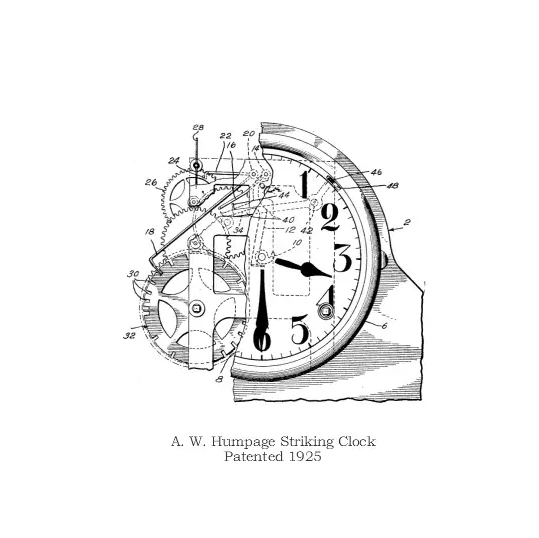
The United States patent system follows a first-to-file rule. This means the inventor who files a patent application first usually secures the earliest priority date for an invention. If two people independently create similar technology, the inventor who files first generally has the stronger legal position. For inventors, this creates an important lesson. Timing matters. Waiting too long to file … Read More
Gaming Patents and Why Most Card Games Are No Longer Patentable
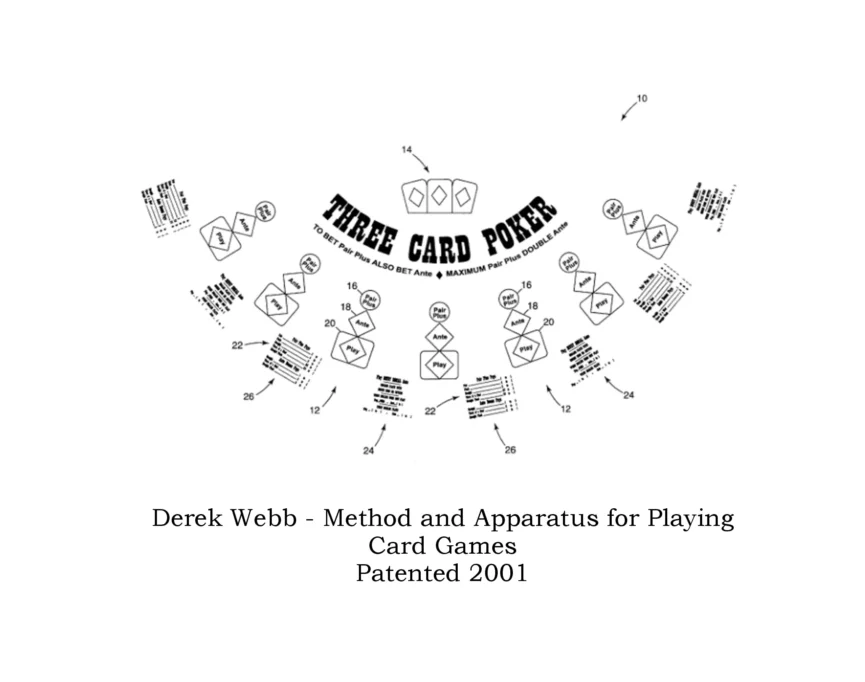
Las Vegas runs on innovation. Casinos constantly look for new ways to attract players, refresh their floors, and stand out in an increasingly competitive market. Game designers, mathematicians, and entrepreneurs develop new table games every year, many of which perform well in real-world play. Naturally, those inventors want patent protection. But federal patent law no longer treats most card-based casino … Read More
Patent Claims: Where an Invention Becomes Enforceable Property
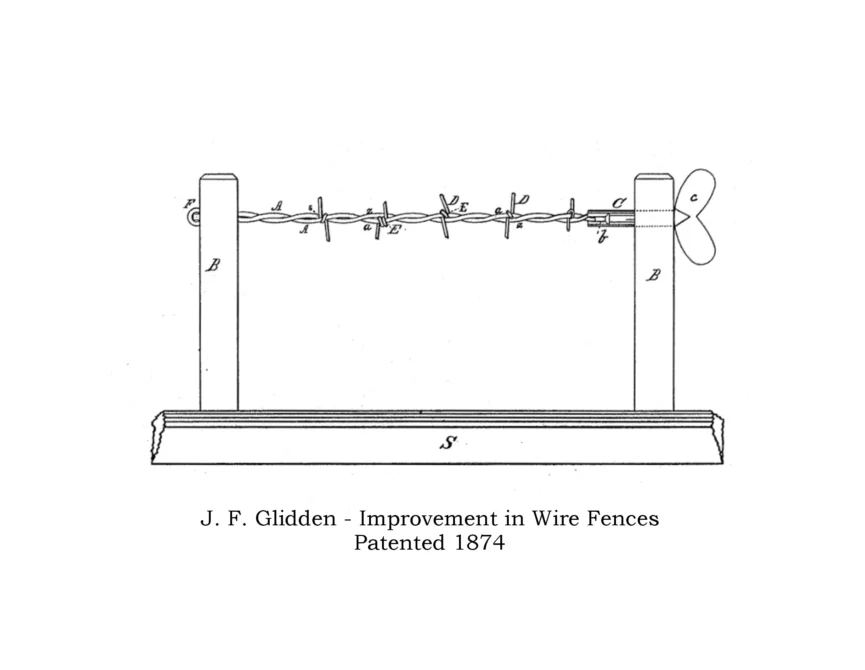
Inventors often spend most of their time thinking about how an invention works. They focus on the problem it solves, the components involved, and the technical details that make it different from what came before. That instinct makes sense. But in patent law, an invention does not become enforceable property until it is defined by patent claims. Patent claims are … Read More
What Is Prior Art?
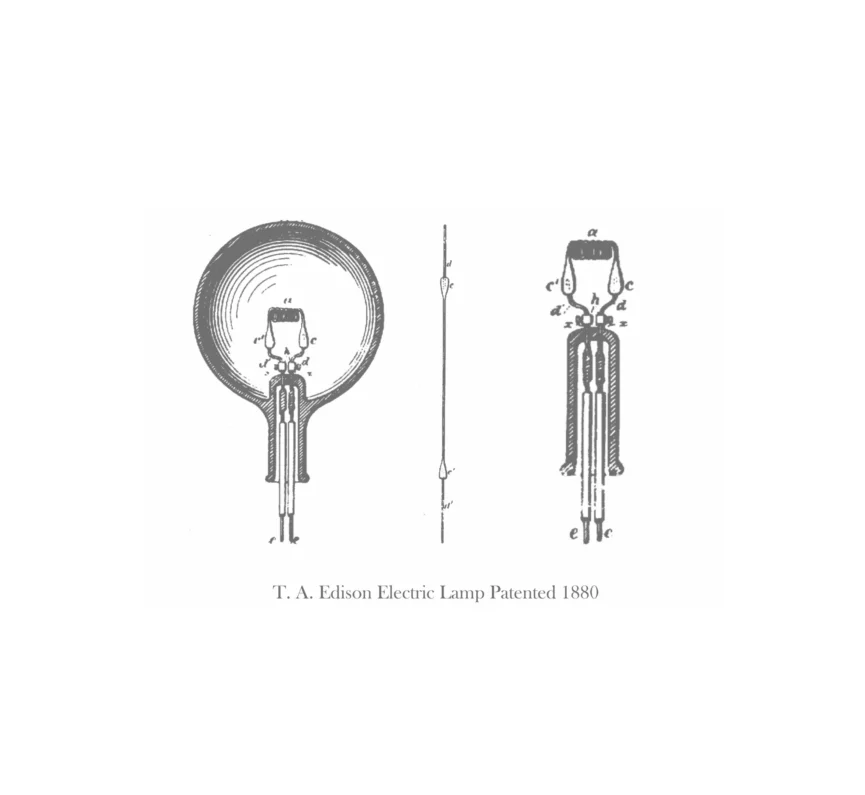
When you pursue a patent, few concepts matter more than prior art. Prior art forms the foundation of every novelty and obviousness determination the United States Patent and Trademark Office makes. Patent examiners do not evaluate inventions in isolation. They analyze them through the lens of what the public already knows. For independent inventors, understanding how examiners view earlier disclosures … Read More
The Importance of a Thorough Invention Disclosure
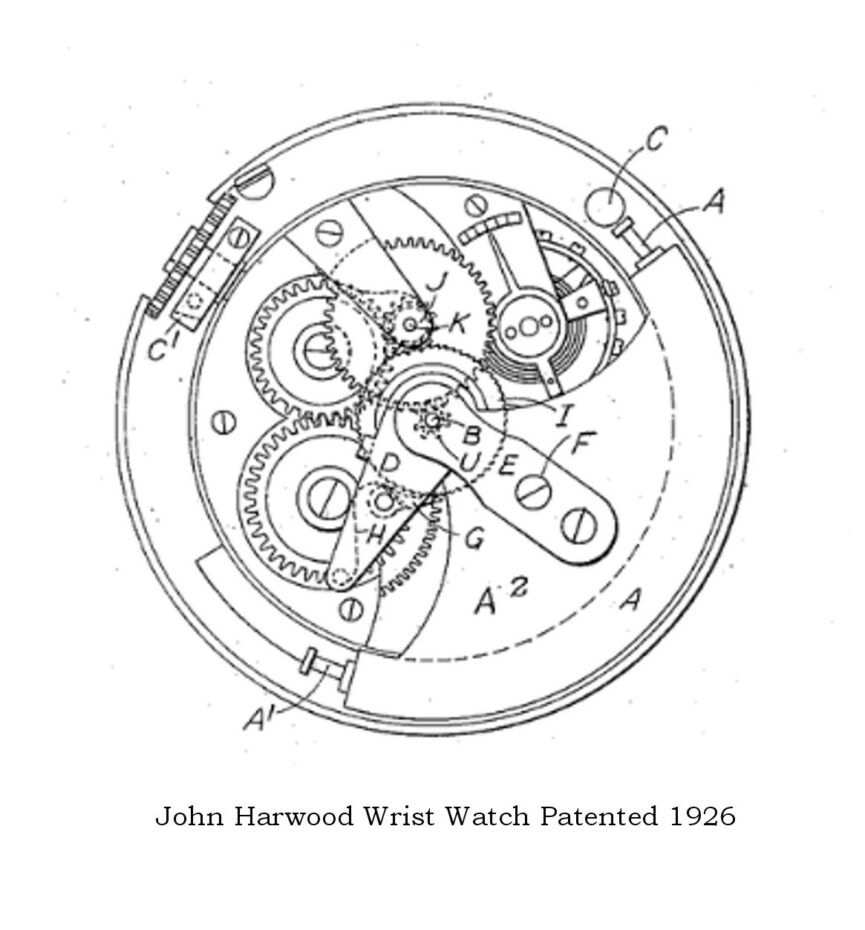
Every successful patent application begins long before the first claim is written or the filing is made with the United States Patent and Trademark Office (USPTO). It begins with something much more fundamental — the invention disclosure. A well-prepared invention disclosure is the cornerstone of a strong patent application. Providing details makes the difference between a robust, enforceable patent and … Read More
Top 10 Reasons To File A Provisional Patent Application
Filing a provisional patent application with the United States Patent and Trademark Office (USPTO) can be a smart first step. As a Las Vegas patent attorney, I regularly help inventors across Southern Nevada and beyond use provisional applications to secure intellectual property rights and confidently move forward with their ideas. Here are 10 reasons why a filing provisional patent application … Read More
The Clock is Ticking in a First to File World
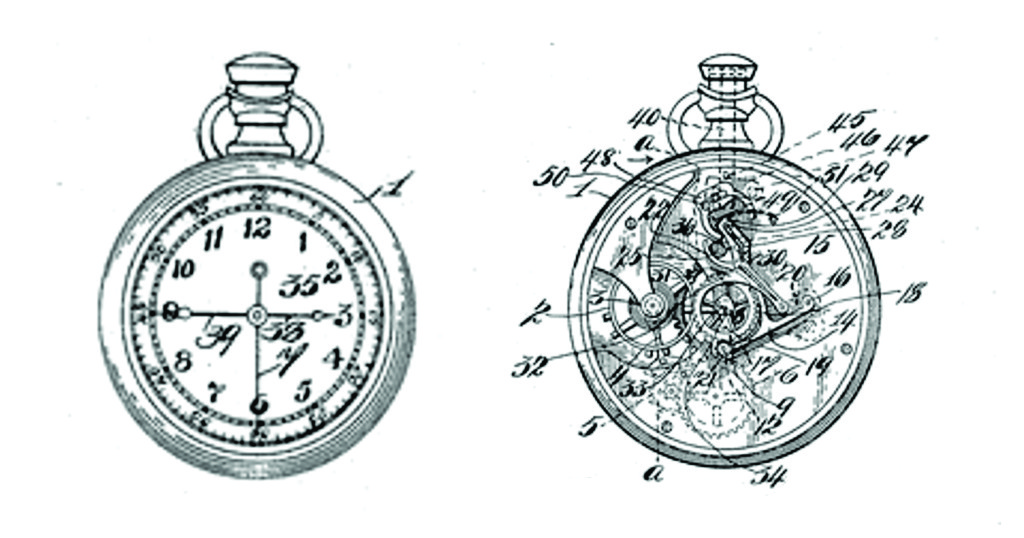
In March of 2013, the United States transitioned from being a “First to Invent” to a “First to File” system. Prior to this change, patents were granted to the person who could demonstrate that he or she conceived of the invention first. Under the current “First-to-File” system, the United States Patent and Trademark Office issues patents to the first person … Read More