
When it comes to patent applications, inventors often focus on novelty. Yes, an invention must be new in order to be granted patent rights. But novelty alone isn’t enough. United States patent law imposes another critical requirement—nonobviousness. Even if an invention has never been seen before, the U.S. Patent and Trademark Office (USPTO) can still reject it if the invention … Read More
What Is A Patent Attorney?
If you’ve ever had an idea for an invention, you’ve probably heard the term “patent attorney.” But what exactly is a patent attorney? How do they qualify for this specialized role? And what services does a patent lawyer provide to inventors and businesses? As a Las Vegas patent attorney, I hope to give clear answers to those questions. What Is … Read More
Top 10 Reasons To File A Provisional Patent Application

Filing a provisional patent application with the United States Patent and Trademark Office (USPTO) can be a smart first step. As a Las Vegas patent attorney, I regularly help inventors across Southern Nevada and beyond use provisional applications to secure intellectual property rights and confidently move forward with their ideas. Here are 10 reasons why a filing provisional patent application … Read More
Emergency Preparedness
On Tuesday, December 22, the United States Patent and Trademark Office headquarters in Alexandria, Virginia experienced a major power outage. This outage caused significant damage to the USPTO’s electronic systems, which required the USPTO to shut down the vast majority of its online and IT systems. As a result, the USPTO’s Electronic Filing System (EFS), patent searching and information retrieval systems, electronic payment … Read More
Understanding An Inventor’s Duty of Disclosure, Candor and Good Faith
As a patent attorney, I enjoy advising my clients on issues related to their patent applications and issued patents. Most issues I address pertain to the technical and proprietary aspects of their inventions and how to effectively prepare, file and prosecute their patent applications. For an inventor, obtaining a patent is an exciting time. But in the excitement of obtaining … Read More
Patent Searching Using Google Patents
Determining whether an invention has already been patented or disclosed to the public is one of many important steps an inventor should take on the long road to bringing a new product to market. It makes good sense to have, at the very least, a general understanding of what’s out there before diving into the turbid waters of patenting … Read More
An Introduction to Patent Searching
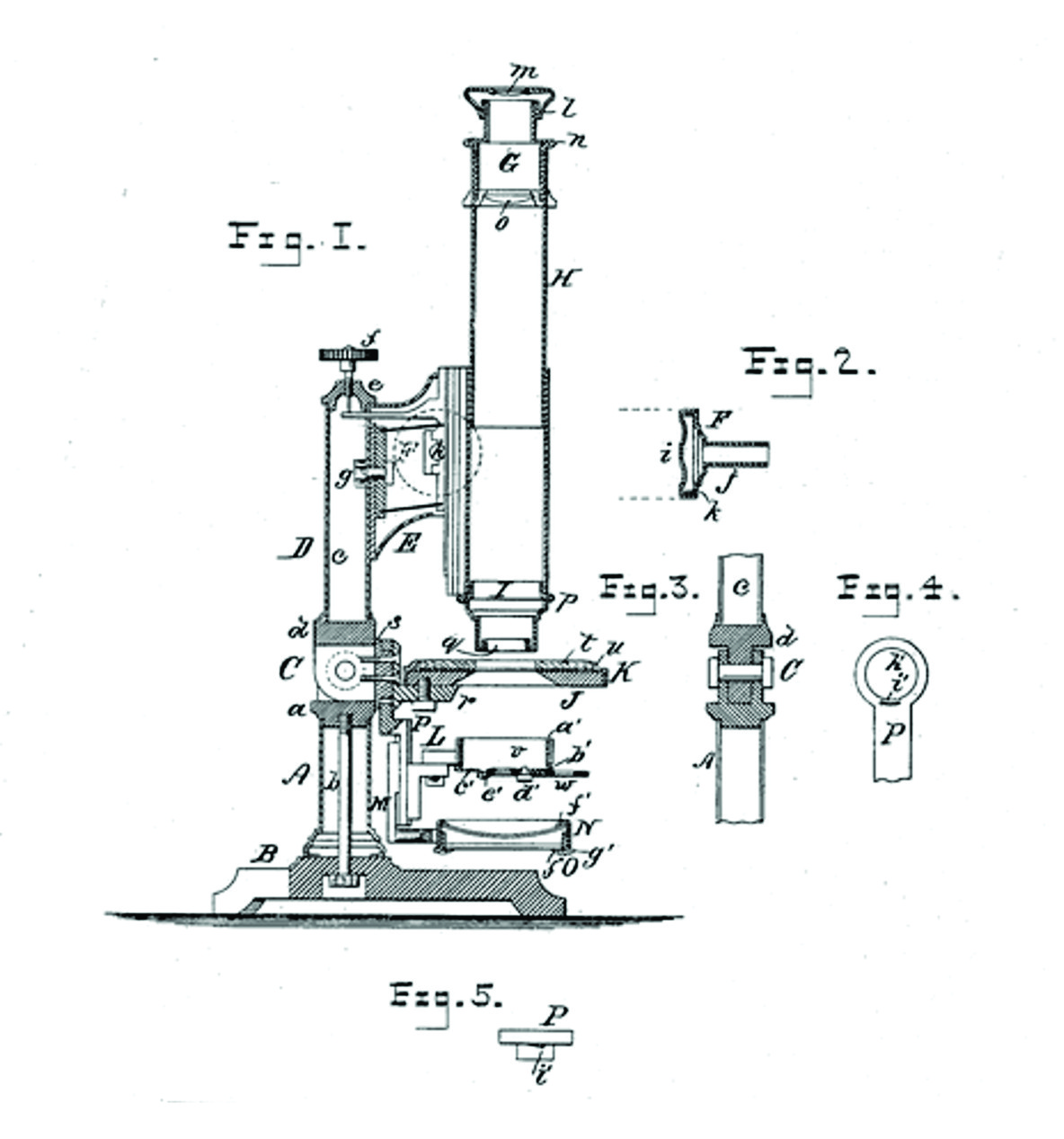
Whether you’re a seasoned inventor or are attempting to patent your first invention, performing a patent search is a logical first step. It only makes sense to learn and understand what’s out there before embarking on the long, expensive and frustrating voyage of obtaining patents in the United States and abroad. And with today’s internet, accessing relevant patent information has … Read More
The Clock is Ticking in a First to File World
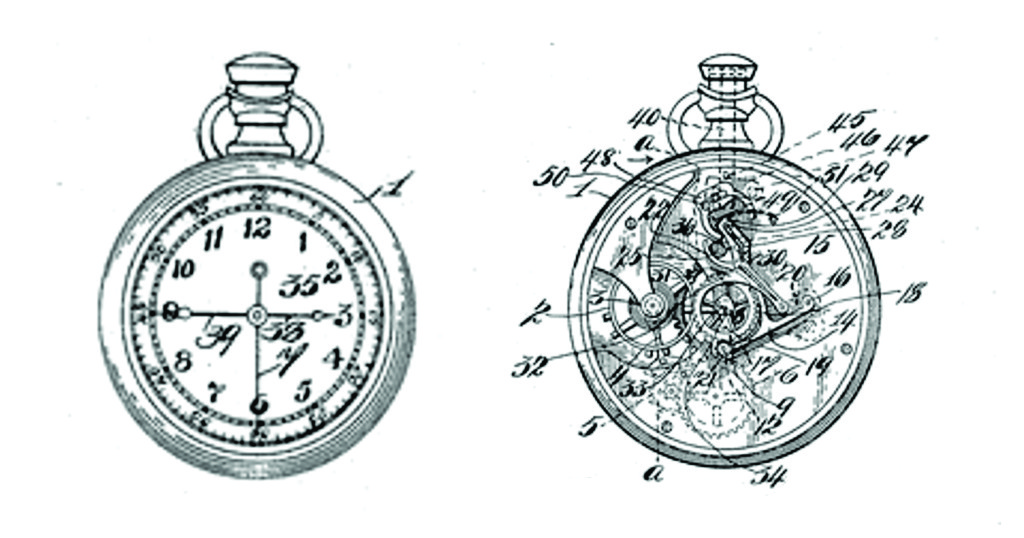
In March of 2013, the United States transitioned from being a “First to Invent” to a “First to File” system. Prior to this change, patents were granted to the person who could demonstrate that he or she conceived of the invention first. Under the current “First-to-File” system, the United States Patent and Trademark Office issues patents to the first person … Read More
The U.S. Patent System Turns 225
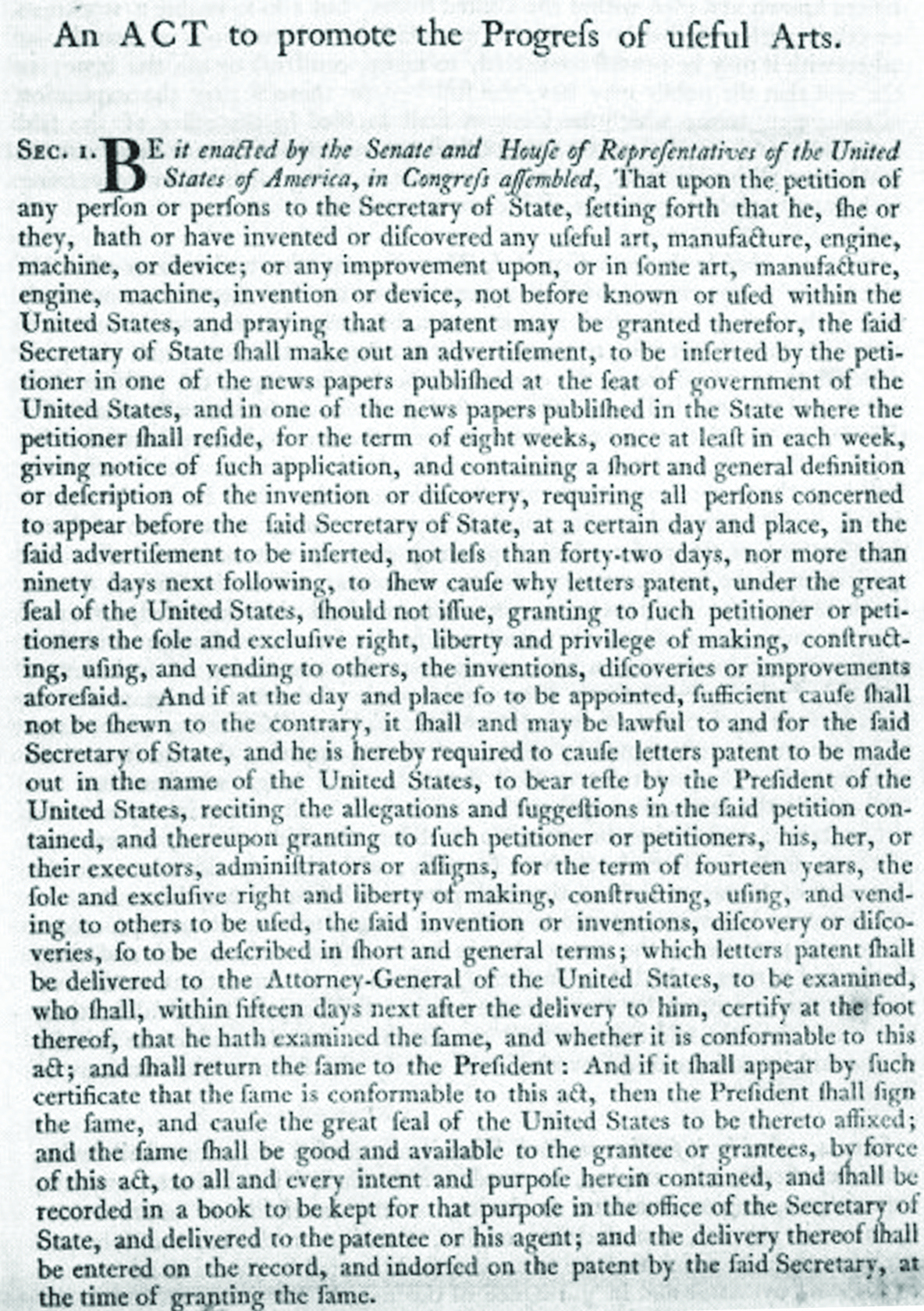
Today marks the two hundred and twenty-fifth birthday of the U.S. Patent system. The founders of the United States envisioned a system that would establish and enforce property rights in works of authorship and inventions for a limited time in contrast to the chartered monopolies of Europe. Unique in nature, the United States patent system would be established through constitutional and statutory authority. It … Read More
U.S. Patent Number 9,000,000
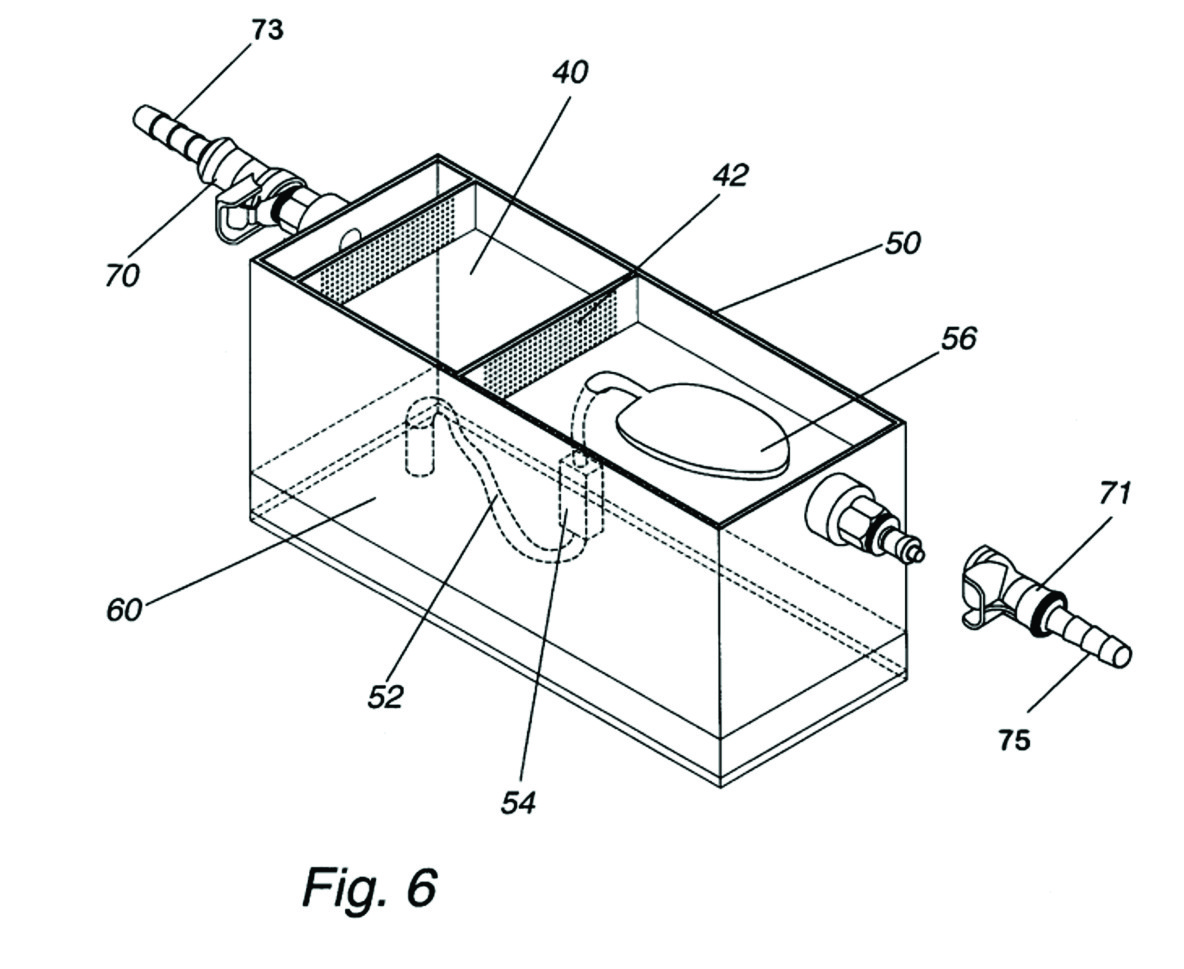
Today, the United States Patent and Trademark Office issued the nine millionth United States utility patent to Matthew Carroll of Jupiter, Florida. The invention is directed to a system and method of collecting and conditioning rainwater and other moisture, such as dew, from the windshield of a vehicle and utilizing the collected fluid to replenish the fluids in the windshield washer … Read More