When you pursue a patent, few concepts matter more than prior art. Prior art forms the foundation of every novelty and obviousness determination the United States Patent and Trademark Office makes. Patent examiners do not evaluate inventions in isolation. They analyze them through the lens of what the public already knows. For independent inventors, understanding how examiners view earlier disclosures is essential. A clear understanding of prior art helps you protect your idea before you risk losing rights, and it allows you to approach the patent process with realistic expectations.
This article explains prior art under 35 U.S.C. § 102 and § 103 from the perspective of a practicing patent attorney and what he has learned from patent examiners over the years. It also explains how public disclosures can destroy rights and how independent inventors can avoid the most common mistakes.
Prior Art Under 35 U.S.C. § 102: Understanding “Newness”
Section 102 addresses novelty by asking whether anything in the public domain described your invention before your effective filing date. If an earlier reference discloses every element of your claimed invention, the law considers that reference prior art and treats the claim as not new.
Examiners begin by reviewing earlier patents and published patent applications. These documents often contain detailed explanations of technology, and patent offices around the world make this material searchable and accessible. Any published patent document predating your filing can be used to reject your claims.
Printed publications also qualify as prior art. Courts apply this category broadly. It includes scientific articles, websites, posted videos, whitepapers, product manuals, trade publications, archived presentations, and university theses. The key question is whether the public could access the material. Actual readership does not matter.
Public use can also create prior art. An invention tested or demonstrated in a place the public could observe may qualify as prior art, even if observers do not understand the underlying technology. The concern is accessibility, not comprehension.
Commercial activity can have the same effect. If an inventor sells or even offers to sell an invention before filing, that offer may bar the patent. The law does not require a completed sale, mass distribution, or widespread publicity. A single commercial offer can defeat novelty.
The statute also addresses disclosures made by the inventor. If you publish your invention, you may still have a one-year grace period in the United States. After that year expires, your own disclosure becomes prior art against you. Independent third-party disclosures, however, do not benefit from any grace period. If someone else publishes similar subject matter before you file, that disclosure becomes immediate prior art.
A Modern Example Inventors Understand
Many modern inventions arise in crowded markets where dozens of earlier designs already exist. Consider magnetic phone mounts for cars. Before magnetic mounts became popular, many mechanical clamp-style mounts were available to the public. Those earlier designs become prior art. Yet the inventor of a new magnetic mounting system can still obtain a patent if the design solves a problem the earlier devices did not address. This reflects the essence of §§ 102 and 103. The law does not require inventors to create an entirely new category of product. It requires that they introduce a real technical improvement that distinguishes their work from what came before.
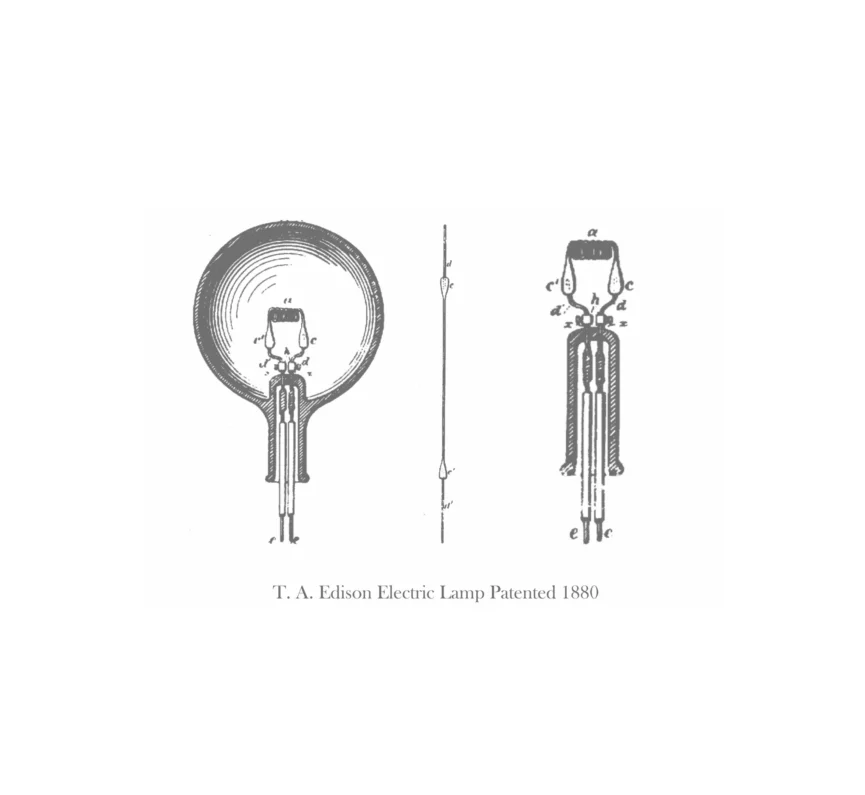
The same principle is easily applied historically. Long before Thomas Edison filed his 1880 patent for the incandescent lamp, the public already knew of numerous electric lamps, arc lighting systems, and early filament-based devices. Under today’s § 102 analysis, those earlier disclosures would qualify as prior art. Edison succeeded because he introduced specific improvements—particularly his high-resistance carbon filament and practical construction—that the earlier art did not teach. Under § 103, an examiner would evaluate whether those improvements represented a predictable variation or a genuine advance. Edison’s case illustrates how new inventions often build on a foundation of earlier knowledge without losing their ability to qualify for patent protection.
Accidental Public Disclosures: The Risk Most Inventors Don’t See Coming
Many independent inventors unintentionally harm their own patent rights not through competition, but through enthusiastic disclosure. A single misstep can transform a promising invention into unprotectable prior art.
One common scenario involves a creator who posts a short video of a prototype on social media to gather feedback. Even if only friends view the post, the law treats that video as a public disclosure because anyone could access it. That disclosure can start the one-year grace period in the United States and may destroy rights in many foreign jurisdictions. If the inventor waits too long to file, the disclosure becomes prior art that bars the patent entirely.
Trade show demonstrations create similar risks. A booth presentation, even for a small audience, can qualify as public use. Crowdfunding campaigns present another challenge. Kickstarter and Indiegogo pages typically reveal key features, diagrams, and operational descriptions. Once posted, these disclosures become part of the public domain. Public beta testing also qualifies as public use when performed without confidentiality restrictions.
The most reliable way to protect yourself is straightforward. File a provisional patent application before sharing the invention publicly. A provisional secures your filing date, preserves your rights, and allows you to present your idea with confidence.
Prior Art Need Not Be Identical
Many inventors assume that prior art must be identical to their invention to matter. That assumption is incorrect. Prior art does not need to match your invention exactly. It includes any publicly accessible information that advances the field, even if it appears only loosely related to your idea. An examiner can use earlier references that share concepts, principles, or structural similarities, even if they use different materials or solve different problems. This is why professional patent searches and careful disclosure strategies are so important. The prior-art landscape often contains more relevant material than inventors initially expect.
Prior Art Under 35 U.S.C. § 103: Understanding Obviousness
Even if your invention is new under § 102, an examiner must still determine whether it would have been obvious under § 103. Obviousness asks whether a person of ordinary skill in the field would view the invention as a predictable combination or variation of existing technology.
Examiners often evaluate multiple references together. They search for a reason why a skilled person would have combined known elements. Sometimes the motivation arises in the references themselves. Sometimes it reflects common industry knowledge or well-understood design practices. Inventors often feel their ideas are unique because no single reference contains all the elements. Examiners, however, focus on the combined teachings of the prior art.
Applicants can rebut obviousness by emphasizing genuine technical differences. They may point out that the prior art teaches away from the claimed invention, meaning the earlier references discourage the combination. They may show that their invention produces unexpected results or solves a persistent industry problem that the prior art failed to address. Evidence of commercial success, long-felt need, or industry failure can also support non-obviousness when backed by clear data.
How Patent Examiners Use Prior Art
Patent examiners evaluate applications by reconstructing the knowledge base of a hypothetical person of ordinary skill in the art. They conduct structured searches across classification systems, review both patent and non-patent literature, and compare each claim element to earlier disclosures. Their obligation is to ensure that patents do not remove from the public domain what the public already possesses. When inventors understand this analytical framework, they can shape their disclosures and claims in ways that highlight the true technical contribution of their work.
Why Prior Art Matters for Independent Inventors
Prior art influences every strategic decision an inventor makes. It affects whether to file, how to discuss the invention with potential partners, how to design prototypes, and how to define the scope of the invention. Inventors who understand prior art can communicate more effectively with their patent attorney, anticipate examiner objections, and avoid self-inflicted loss of rights.
A thoughtful prior-art strategy also strengthens the application itself. When inventors recognize how examiners analyze novelty and obviousness, they can help frame their invention in a way that highlights meaningful distinctions. This collaboration often results in stronger claims and more persuasive arguments.
Protecting Your Idea From Prior-Art Problems
The most effective measure an inventor can take is filing a provisional patent application before any public disclosure. Filing early preserves your rights and allows you to move forward with conversations and demonstrations without jeopardizing your invention. When you must share your idea with others, use nondisclosure agreements that clearly impose confidentiality obligations. Keep prototype testing within controlled environments, and maintain organized development records that reflect your progress and the evolution of your concept. These steps create a clear technical record and protect your ability to file a strong nonprovisional application later.
Conclusion
Prior art is not an obstacle designed to discourage inventors. It is the framework that ensures patents protect true innovation rather than ideas already known to the public. When you understand how prior art functions under sections 102 and 103, you can time your disclosures properly, file strategically, and highlight the true value of your invention. With the right preparation and an early filing strategy, independent inventors can secure strong, defensible patent rights even in crowded technological fields.
The Thornton Firm works with inventors and businesses seeking professional, attorney-led intellectual property guidance. Contact us to request an initial consultation.