When drafting a patent application, the best way to protect an invention is to describe alternative embodiments. Alternative embodiments are variations, modifications, or different implementations of the same inventive concept. They expand the scope of protection and make it harder for competitors to design around your invention.
Competitors constantly look for ways to “design around” issued patents. Designing around means creating a product that achieves a similar result while avoiding the claims of your patent. They often make small, seemingly insignificant changes to sidestep infringement. If an inventor describes only a single version of an invention, competitors can exploit those gaps. By contrast, an application that describes multiple embodiments closes those gaps, strengthens the patent, and gives the inventor greater flexibility during prosecution and enforcement.
A strong patent application never traps itself in one narrow version of an invention. It anticipates variations in materials, configurations, sizes, shapes, and processes. For example, if your invention involves a new type of speaker, don’t stop at describing your preferred design. Explain alternative shapes, integration methods, and materials that achieve the same function. If your invention involves a process, include different sequences of steps, conditions, or components that accomplish the same result. Each variation adds depth and resilience to your protection.
Patent attorneys use specific language to introduce flexibility. Phrases such as “in one embodiment,” “in another embodiment,” or “alternatively” signal that the invention may take different forms. Dependent claims can further capture these variations, creating layers of protection. If one claim is found invalid or too narrow, others remain standing. This layered approach prevents a single weak link from jeopardizing the entire patent.
Describing alternative embodiments also pays off during USPTO examination. Examiners often reject certain claims as obvious or anticipated by prior art. When the application includes alternative features and claim sets, it gives you more tools to overcome those rejections. During enforcement, detailed disclosures support broader interpretations of claim terms and strengthen infringement actions. A well-drafted patent not only survives examination — it holds up in court.
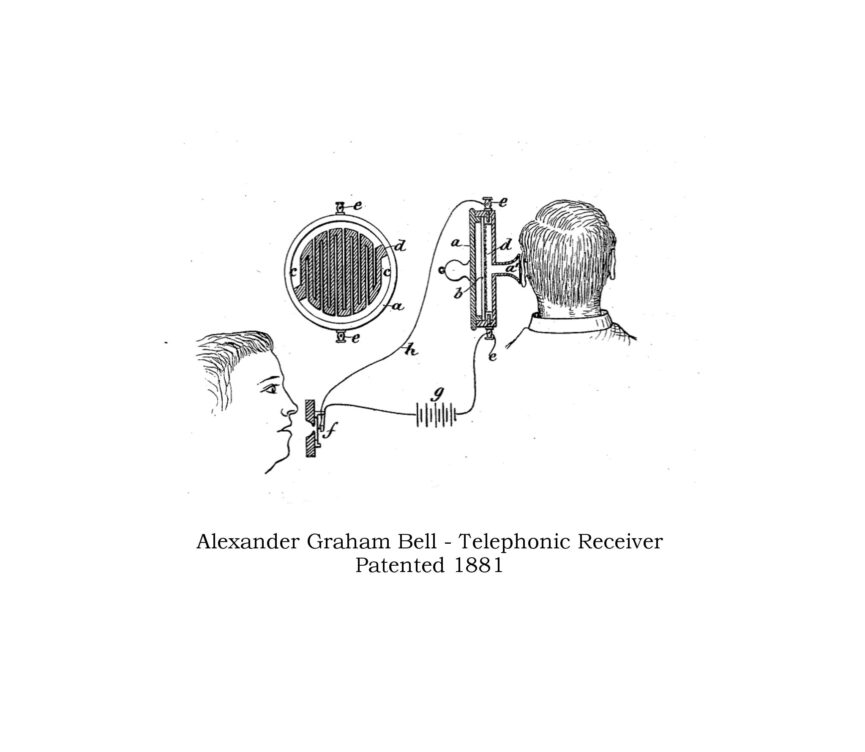
Including alternative embodiments in your invention disclosure leads to stronger patents that deter competitors and stand up under legal scrutiny. History offers clear examples. Alexander Graham Bell’s telephone patents described multiple ways to transmit sound, ensuring broad protection that competitors struggled to avoid. That foresight helped him secure lasting control over his technology.
When you work with a patent attorney, don’t stop at describing your preferred version. Discuss every variation, substitution, or modification that could achieve the same inventive purpose. A comprehensive invention disclosure shows foresight and strategy. Thinking through alternatives at the drafting stage often determines whether your patent becomes an easily avoided technical document or a truly powerful shield for your innovation.